

Key Takeaways
Brake Wear
Brake wear refers to the gradual thinning and degradation of your vehicle's brake pads — and sometimes the rotors — caused by the friction created every time you slow down or stop. All brakes wear over time; the key is recognizing when that wear has progressed to the point where your stopping ability may be compromised. Most modern brake systems include built-in wear indicators designed to alert you before the situation becomes dangerous.
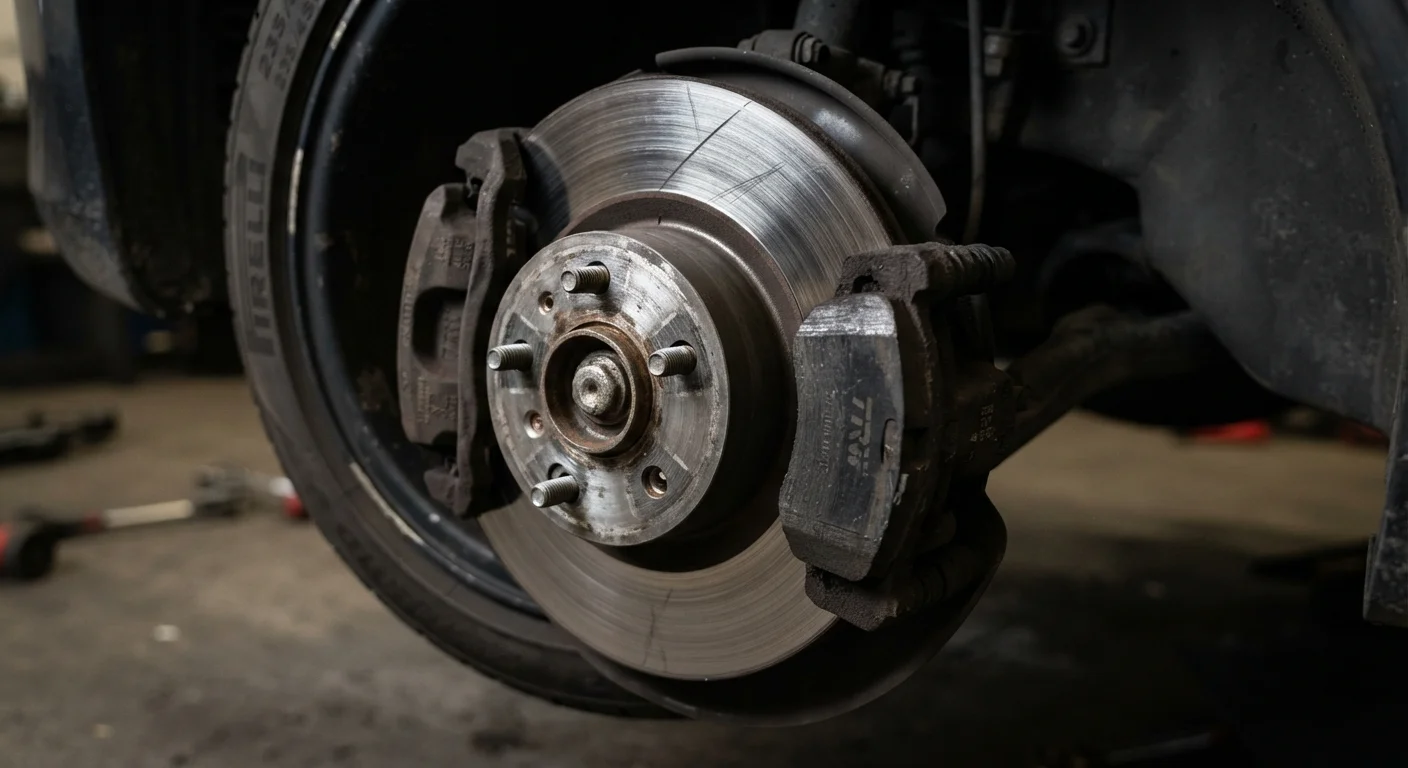
Disc brake pads are typically considered worn when the friction material measures less than 2–3 mm thick. Rotors have a minimum thickness specification (stamped on the rotor itself) below which they must be replaced, not resurfaced.
What Your Brakes Are Actually Doing
Every time you press the brake pedal, your vehicle's hydraulic system squeezes brake pads against metal rotors to slow the wheels through friction. That process is remarkably reliable — until the consumable parts involved wear thin. Understanding the basic mechanism helps you interpret the symptoms your car sends you before a problem grows serious.
Most US passenger vehicles use disc brakes on all four wheels. Each wheel has a rotor (the flat metal disc) and a caliper that clamps the brake pads against it. Pads are designed to wear gradually so the rotor is protected, but once the pad material is exhausted, metal contacts metal — and at that point, safe stopping is no longer guaranteed.
Brake Dust Is Normal — Up to a Point
A small amount of dark dust on your wheel rims is a normal byproduct of pad friction. Unusually heavy or sudden increases in brake dust can sometimes indicate a dragging caliper or aggressive pad wear. While not a definitive diagnostic, it's worth mentioning to a technician during your next service visit.
The Warning Signs and What They Mean
High-Pitched Squealing
A persistent squeal or squeak when braking — especially one that disappears when you release the pedal — is often the wear indicator doing its job. Most brake pads include a small metal tab called a wear indicator that makes contact with the rotor when the pad is nearly spent. That noise is intentional and designed to get your attention. Have your brakes inspected soon, but this stage generally gives you a short window to act.
Grinding or Metal-on-Metal Sound
If squealing has progressed to a harsh grinding noise, the pad material has likely worn through entirely. At this stage, the metal backing plate is contacting the rotor directly, which damages the rotor surface and significantly reduces stopping effectiveness. This is not a symptom to postpone addressing. A qualified mechanic should evaluate the brakes promptly.
Pedal Vibration or Pulsing
A brake pedal that shudders or pulses underfoot during normal stops often points to rotor issues — typically uneven wear or warping from repeated heat cycles. Rotors that aren't perfectly flat don't provide consistent friction, which affects stopping distance and control. Anticipating road hazards requires reliable braking, so a pulsing pedal deserves attention sooner rather than later.
Soft or Spongy Pedal Feel
A pedal that travels unusually far toward the floor before braking engages — or feels mushy rather than firm — can indicate air in the brake lines, low brake fluid, or a fluid leak. Unlike worn pads, these issues can affect the entire hydraulic system and demand immediate professional inspection. Do not delay.
Ask for a Brake Check During Routine Service
Many shops will visually inspect brake pad thickness at no charge during oil changes or tire rotations. Getting into this habit lets you track wear trends over time and plan ahead for replacements rather than reacting to an emergency. Ask your mechanic to tell you the approximate remaining pad life in millimeters.
Factors That Accelerate Brake Wear
How quickly your brakes wear depends heavily on how — and where — you drive. Stop-and-go city traffic, frequent heavy braking, and driving in hilly or mountainous terrain all place greater demands on brake pads than steady highway cruising. Carrying extra weight (full passenger loads, towing, or cargo) increases the force required to stop, which speeds up pad wear considerably.
Driving habits make a real difference too. Smooth, progressive braking from a greater following distance stresses brake components far less than hard, late stops. Small, consistent habits behind the wheel can meaningfully extend brake life. Conversely, riding the brakes downhill rather than engine-braking can overheat pads and rotors.
~50,000 mi
Typical front brake pad lifespan under normal driving
Industry estimates generally place front pad life between 30,000 and 70,000 miles, with driving style and vehicle weight as major variables.
25–30%
Stopping distance increase with severely worn pads
Studies by automotive safety organizations have shown that heavily worn brake pads can meaningfully extend the distance required to stop, particularly in emergency situations.
12,000 mi
Recommended brake inspection interval (minimum)
Most vehicle manufacturers and automotive organizations recommend having brakes visually inspected at least every 12,000 miles or once a year, whichever comes first.
When to See a Mechanic — and Why Not to Wait
Any of the warning signs described above warrants a professional inspection. Brake systems are safety-critical, and diagnosis requires more than a visual check from the driver's seat. A mechanic will measure pad thickness, inspect rotor condition and thickness against the manufacturer's minimum specification, check caliper function, and examine the brake fluid for moisture contamination.
Catching wear early usually means replacing only the pads — a relatively straightforward service. Ignoring the signs long enough for metal-on-metal contact to damage the rotors typically means replacing both pads and rotors, a considerably more involved and expensive job. Neglecting minor brake symptoms follows the same pattern as most deferred maintenance: the cost of waiting almost always exceeds the cost of acting.
Before any long drive, it's worth confirming your brakes are in good shape. A pre-trip vehicle review should always include brakes on the checklist. Your dashboard warning lights may also give you an early alert if your vehicle is equipped with an electronic brake wear sensor.