

Key Takeaways
Why Small Habits Compound Into Big Results
Most vehicles don't fail dramatically. They decline gradually — through thousands of cold starts, abrupt stops, low tyre pressure, and skipped service intervals — until one small problem tips into a costly repair. The good news is that the reverse is equally true: consistent small habits compound into significantly longer vehicle life and fewer unexpected breakdowns.
This isn't about obsessive care or expensive products. It's about building a handful of low-effort routines that protect your investment over years of daily use. The practices below are drawn from standard automotive guidance and the kind of advice qualified mechanics give consistently — regardless of make or model.
If you're new to vehicle ownership, our guide for first-time car owners covers the foundational tasks and timelines worth knowing from day one.
Core Habits Worth Building
These practices address the most common sources of premature wear. None require mechanical expertise — only consistency.
Accelerate and brake smoothly rather than aggressively
Hard acceleration strains the engine, transmission, and drivetrain. Sudden braking generates excess heat in brake pads and rotors, wearing them down faster. Smooth inputs extend the life of these components and also improve fuel economy.
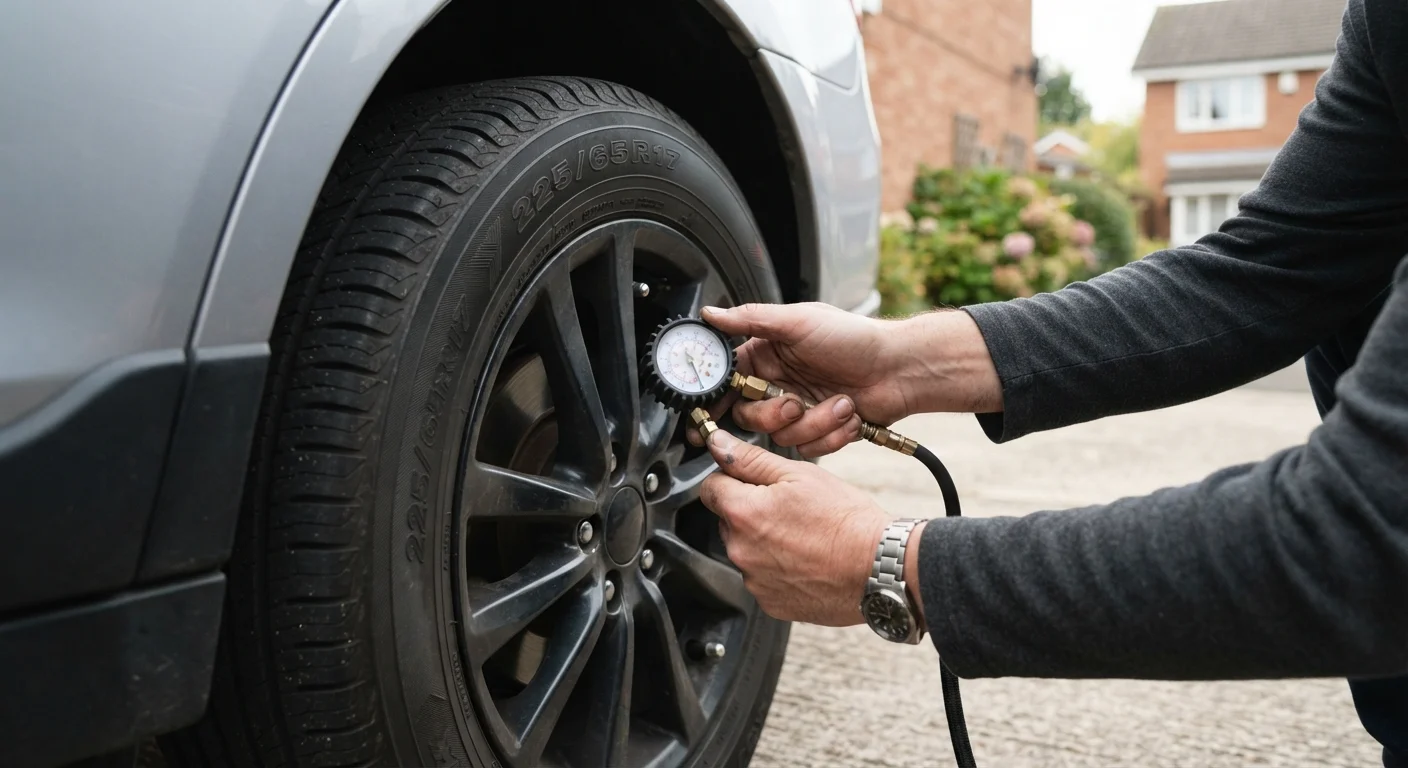
Check and maintain correct tyre inflation monthly
Under-inflated tyres flex more than designed, building heat and accelerating tread wear. Over-inflated tyres reduce contact area, affecting braking and handling. Correct pressure — found on the driver's door jamb sticker, not the tyre sidewall — keeps wear even and fuel efficiency optimal.
Follow the manufacturer's oil change and service schedule
Engine oil breaks down over time and distance, losing its ability to lubricate and cool internal components. Skipping or delaying changes allows contaminants to build up, potentially causing premature engine wear. Service schedules also cover filters, belts, and fluids that have specific replacement windows.
Keep a simple, consistent maintenance log
Without records, it's easy to lose track of when filters were last replaced, when coolant was flushed, or what a technician noted at a previous service. A log helps you catch intervals before they lapse and supports your case for warranty claims or resale value.
Avoid short trips when possible, or compensate with occasional longer drives
Very short trips — under five miles — often don't allow the engine to reach full operating temperature. This means moisture and fuel vapours can accumulate in the oil before burning off, accelerating corrosion and contamination. Occasional longer drives help clear these byproducts.
Park in shade or a garage when practical
Prolonged UV exposure degrades rubber seals, dries out dashboard materials, and — in hot climates — stresses the cooling system even when the vehicle is parked. Extreme cold affects battery performance and tyre flexibility. Sheltered parking reduces these environmental stresses.
Check Your Owner's Manual First
Every vehicle has its own recommended service intervals, fluid specifications, and tyre pressures. The owner's manual — not general rules of thumb — is the most reliable guide for your specific make and model. If your manual isn't in the glovebox, most manufacturers publish them online at no cost.
For a closer look at what each scheduled service milestone involves and why the timing matters, see what your car's service schedule is trying to tell you.
Start Today: Quick Wins With Immediate Impact
You don't need to overhaul your entire routine at once. These actions take minutes and address the habits most likely to make a measurable difference right away.
Once these basics are in place, it's worth reviewing whether your vehicle has any age- or mileage-related needs that standard checklists tend to miss. Our article on maintenance tasks often overlooked on older vehicles is a useful next step as mileage climbs.
It's also worth understanding that neglecting small repairs often leads to bigger bills — a worn belt or slow tyre leak rarely stays minor for long.
“The vehicles that last the longest aren't necessarily the most expensive ones — they're the ones whose owners pay consistent attention to the basics.”
— Cars & Driving Editorial Team, Automotive writers and editors