

Key Takeaways
Our Verdict
Neither slow travel nor a whirlwind itinerary is universally superior — both serve different travelers, trips, and life circumstances. Slow travel rewards those who want depth, lower daily costs, and genuine local rhythm; packed itineraries work for travelers with limited time who want broad geographic exposure. The smartest move is matching your pace to your actual energy, goals, and leave allowance rather than to an idealized travel identity.
| Best for | Recommended |
|---|---|
| Those with flexible schedules or remote-work options | Slow Travel |
| First-time visitors wanting to sample many destinations | Whirlwind Itinerary |
| Travelers prone to burnout or traveling with young children | Slow Travel |
| Short-trip travelers with a specific bucket list | Whirlwind Itinerary |
What Each Travel Style Actually Means
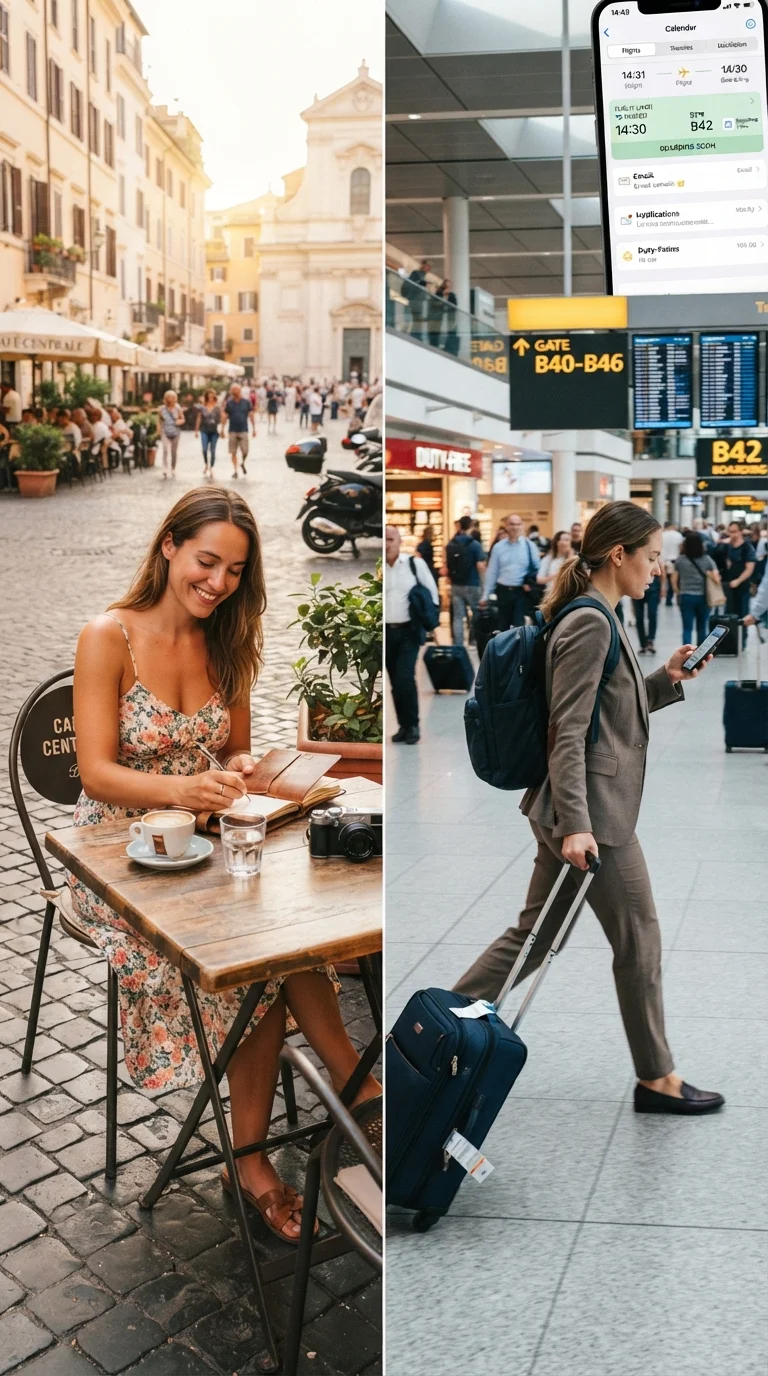
Slow travel is less a specific duration and more a philosophy: lingering in fewer places long enough to develop a feel for daily life there. Think a week in one Oaxacan neighborhood, cooking-class mornings and market afternoons, rather than sprinting through five Mexican cities in seven days. The emphasis is on depth — local grocery runs, neighborhood cafés, conversations that go somewhere.
A whirlwind itinerary flips the priority. Coverage replaces depth. You might hit Rome, Florence, and the Cinque Terre in eight days, catching the iconic sights of each before moving on. The appeal is real: you return home having genuinely experienced multiple places rather than one. The trade-off, equally real, is that each destination stays somewhat surface-level.
Understanding which mode calls to you starts with honest self-reflection — not travel-influencer ideals. For a deeper look at how to avoid building an itinerary that exhausts you regardless of style, see our guide to itineraries that won't burn you out.
Cost, Stress, and Depth: How the Two Styles Compare
| Slow Travel | Whirlwind Itinerary | |
|---|---|---|
| Daily cost | Lower (rentals, local markets) | Higher (hotels, tourist dining) |
| Total trip cost | Higher if trip is extended | Concentrated into fewer days |
| Destinations covered | Few, explored in depth | Many, seen at surface level |
| Stress level | Front-loaded, then settles | Sustained low-grade logistics stress |
| Cultural immersion | Deep — routines, locals, context | Highlights and landmarks focused |
| Best trip length | Two weeks or more | One to two weeks |
| Flexibility | High once settled | Lower — schedule-dependent |
Cost differences between styles are more nuanced than they first appear. Slow travelers often spend less per day — weekly apartment rentals undercut nightly hotel rates, and cooking some meals trims food budgets substantially. But they typically spend more total if the trip is longer. Whirlwind travelers, by contrast, concentrate spending into fewer days but pay premium prices for flexibility: last-minute trains, airport transfers, and tourist-zone restaurants at every stop.
Stress accumulates differently too. Constant logistics — new check-ins, new transit systems, new neighborhoods to decode — create a low-grade cognitive load that compounds over a packed trip. Slow travelers front-load that effort once, then settle. If you're comparing travel styles that involve crossing multiple borders, our piece on slow travel versus country-hopping costs breaks down the financial trade-offs in sharper detail.
Who Thrives With Each Approach
Slow travel tends to suit remote workers, retirees, long-haul travelers on sabbatical, or anyone traveling with young children who need predictable routines. It also rewards introverts who recharge through familiarity rather than novelty overload.
Packed itineraries fit travelers with hard constraints on leave time who want meaningful geographic range. First-timers to a region often prefer them — seeing the Colosseum, the Amalfi Coast, and a Sicilian town on one trip gives a foundation for deeper future visits. Understanding what short port stops actually offer is especially useful if a cruise-style multi-stop format appeals to you.
Build in at Least One Buffer Day
Regardless of pace, reserving one unscheduled day per week of travel pays dividends. It absorbs flight delays, accidental discoveries, and simple tiredness without derailing the whole trip. Buffer days are what separate a trip you survived from one you actually enjoyed.
Group dynamics also matter enormously. A group with mismatched pacing preferences is a recipe for friction. Our group travel coordination guide covers how to align expectations before the trip begins.
The Hybrid Middle Ground
Many experienced travelers have landed on a hybrid structure: choose one or two anchor bases and take day trips outward. Spend four nights in Lisbon, take a day trip to Sintra and another to Óbidos, then move once to Porto for three more nights. You absorb the rhythm of two real cities, see surrounding areas, and only unpack twice.
This approach works especially well on US road trips, where overnight stops can be planned as destinations rather than mere waypoints. Treating overnight stops as part of the journey rather than interruptions transforms even a multi-city drive into something that feels measured and intentional.
The hybrid model also helps when traveling with people who have different travel personalities — action-seekers and resters both get what they need without either style dominating the whole trip.
Practical Questions to Find Your Pace
Before booking, run through a few honest questions. How many days do you actually have? A nine-day trip almost never benefits from eight destinations. How do you feel after a long day of museums and transit — energized or depleted? Do you want stories about places or stories about experiences within a place?
Consider also what type of destination rewards each style. Dense heritage sites — think Angkor Wat or Machu Picchu — benefit from extra time to avoid crowd peaks and absorb context. Our look at the world's most visited heritage sites explains why arriving with unhurried expectations changes the experience. Similarly, off-season travel timing can make either style dramatically more pleasant — crowds thin and logistics loosen when you travel outside peak periods.
There's no universal right pace. The goal is returning home actually rested and genuinely glad you went — not just checking off a list.