
The World's Most Visited Heritage Sites and What Makes Them Worth the Crowd

Key Takeaways
Why the Most Visited Sites Are Worth Seeing — Even When They're Packed
There's a certain kind of travel snobbery that says the most visited places aren't worth the hassle. Skip the lines, they say, find something off the beaten path. And while hidden gems absolutely deserve your time, dismissing the world's great heritage sites because they're popular is a mistake that sells both you and the sites short.
The Colosseum, Angkor Wat, Machu Picchu — these places draw millions of visitors a year for the same reason they've endured for centuries: they are genuinely extraordinary. The challenge isn't whether to go. It's how to go thoughtfully, so you're not just adding to the crowd but actually absorbing what makes each site irreplaceable.
Before booking any international trip, a solid pre-trip research routine pays off enormously. Our pre-trip research checklist covers visas, entry requirements, vaccinations, and safety checks — all essential when visiting tightly regulated heritage zones.
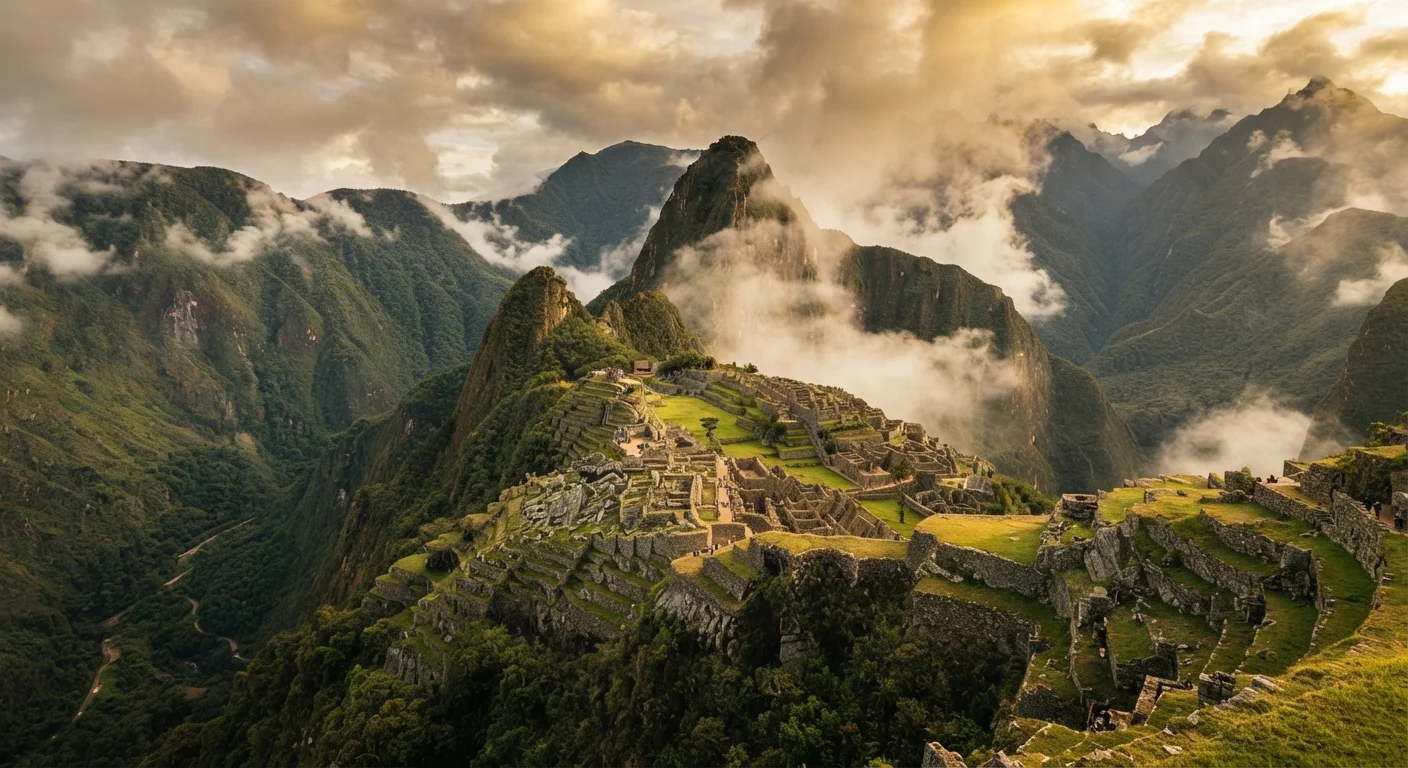
Machu Picchu, Peru
Perched at roughly 7,970 feet in the Andes, this 15th-century Inca citadel is one of the most recognizable archaeological sites on Earth — and one of the most carefully regulated. Peru's government has implemented daily visitor caps and timed entry slots, so booking official tickets well in advance through authorized channels is essential, not optional.
The classic postcard view comes early: arrive at the Sun Gate (Inti Punku) at dawn if you've hiked the Inca Trail, or reach the main site gates before opening time if taking the bus from Aguas Calientes. Morning mist clings to the terraces in ways that afternoon light simply can't replicate. Altitude is a genuine consideration — acclimatize in Cusco for at least two days before ascending.
Timed entry slots and altitude acclimatization are non-negotiable at Machu Picchu.
Angkor Wat, Cambodia
The largest religious monument ever constructed covers more than 400 acres in northwestern Cambodia and anchors a broader temple complex — Angkor Archaeological Park — that spans dozens of structures across the jungle. A multi-day pass (available in one-, three-, or seven-day formats) lets you pace the experience rather than sprint it, which the site genuinely demands.
Sunrise at the main reflecting pool is deservedly famous, but the crowds there can be intense. Experienced visitors often find that quieter temples like Ta Prohm (the so-called "Tomb Raider temple") or Banteay Srei reward unhurried exploration just as richly. Hiring a knowledgeable local guide unlocks layers of Khmer history that signage alone cannot convey.
A multi-day pass transforms Angkor from a highlight reel into a genuine cultural immersion.
The Colosseum, Rome, Italy
Rome's amphitheater — completed around 80 CE and capable of holding an estimated 50,000 to 80,000 spectators in its heyday — is the most visited ancient monument in the world. The exterior is compelling; the interior is what earns the long line. The hypogeum (underground tunnels where gladiators and animals were held) requires a separate, bookable ticket and offers a perspective most casual visitors never see.
Skip the queue entirely by booking timed entry tickets through Italy's official cultural heritage booking system well before your travel date. Late afternoon light bathes the travertine stone in warm gold, making it the most atmospheric time to circle the exterior. If Rome is on your itinerary, the broader city break versus countryside retreat question is worth thinking through early — Rome rewards slow, curious exploration far more than a 24-hour dash.
Underground hypogeum access offers an extraordinary, crowd-thinned Colosseum experience most visitors miss.
The Great Wall of China
Stretching across thousands of miles of northern China's varied landscape, the Great Wall is not a single destination but a collection of sections in vastly different states of preservation and accessibility. Mutianyu, about 45 miles northeast of Beijing, offers well-restored ramparts, a cable car option, and significantly fewer visitors than the heavily touristed Badaling section — making it the more immersive choice for most first-timers.
Early morning visits on weekdays dramatically reduce crowds, and autumn (September through November) delivers clear skies and stunning foliage against the ancient stone. Be prepared for steep inclines — comfortable, grippy footwear is not a luxury here, it's a safety consideration. Some sections are genuinely strenuous even for fit walkers.
Choosing the right section of the Wall matters as much as when you visit.
The Acropolis, Athens, Greece
The Parthenon has stood above Athens for nearly 2,500 years, and the view from the Sacred Rock across the city and toward the Aegean remains one of the most affecting in the ancient world. The site draws over three million visitors annually, but crowd management has improved considerably with timed ticketing and a multi-monument combo pass that includes the Ancient Agora, Hadrian's Library, and other nearby sites.
Visit in the first hour after opening — ideally in spring or autumn when temperatures are manageable and summer tour groups thin out. The Acropolis Museum at the base of the hill is a world-class complement to the site above: its glass floors reveal ancient streets beneath your feet, and its display of original Parthenon friezes provides context that the windswept hilltop alone cannot offer.
The Acropolis Museum rivals the hilltop itself and is too often skipped by time-pressed visitors.
Petra, Jordan
Carved into rose-red sandstone cliffs by the Nabataean civilization around the 4th century BCE, Petra is a city revealed gradually — which is part of what makes the experience so dramatic. The Siq, a narrow mile-long gorge that serves as the main entrance, builds anticipation before delivering one of travel's great payoffs: a first glimpse of Al-Khazneh (the Treasury) framed by the canyon walls.
Petra is large — covering roughly 100 square miles — and most visitors see only the central monuments. Committing to a full day (or two) and venturing beyond the Treasury to the Monastery (Ad Deir), the High Place of Sacrifice, or the Royal Tombs rewards the effort with far fewer people and equally jaw-dropping scenery. Jordan's official tourist authority maintains current entry information and opening hours.
Petra's lesser-trodden trails beyond the Treasury are among its most spectacular and least crowded stretches.
How to Make the Most of Every Heritage Visit
Visiting a world-famous site is as much about pacing as it is about the place itself. Rushing through Angkor Wat or sprinting the Inca Trail to tick a box won't leave you with the sense of wonder these sites are capable of delivering. Our guide to slow travel versus whirlwind itineraries can help you decide how long each destination genuinely deserves on your schedule.
Arrive Before the Buses Do
At nearly every major heritage site, the bulk of group tours arrive mid-morning and thin out by late afternoon. Targeting the first hour after opening or the final 90 minutes before closing consistently delivers a noticeably quieter, more personal experience. Check official site hours ahead of time — seasonal schedules vary, and some sites close certain areas on rotating maintenance schedules.
Plan buffer days around each major site visit — travel fatigue is real, and arriving exhausted at one of these places is a genuine waste. If you're building a longer multi-site itinerary, our guide to building an itinerary that won't burn you out offers practical spacing strategies worth bookmarking.
Entry conditions, visitor caps, and seasonal closures change at heritage sites — sometimes annually. Always verify current requirements directly with official site authorities or your country's travel advisory service before finalizing plans.