

Key Takeaways
Visa-on-Arrival
A visa-on-arrival (VOA) is an entry permit issued to travelers at the port of entry — such as an airport immigration desk — rather than through a consulate or embassy before departure. Eligible travelers simply present their passport and required documents upon arrival, pay any applicable fee, and receive a stamp or sticker permitting a defined stay. Not all passport holders qualify, and not all countries offer this option.
VOA is distinct from an eVisa (applied online in advance) and visa-free entry (no permit required at all). Some countries use the terms loosely, so always verify through official sources.
What Visa-on-Arrival Actually Means
When travelers hear "visa-on-arrival," many assume it's simply another phrase for easy, hassle-free entry. In practice, it's a specific immigration category with its own rules, costs, and requirements — and understanding the distinction matters before you pack your bags.
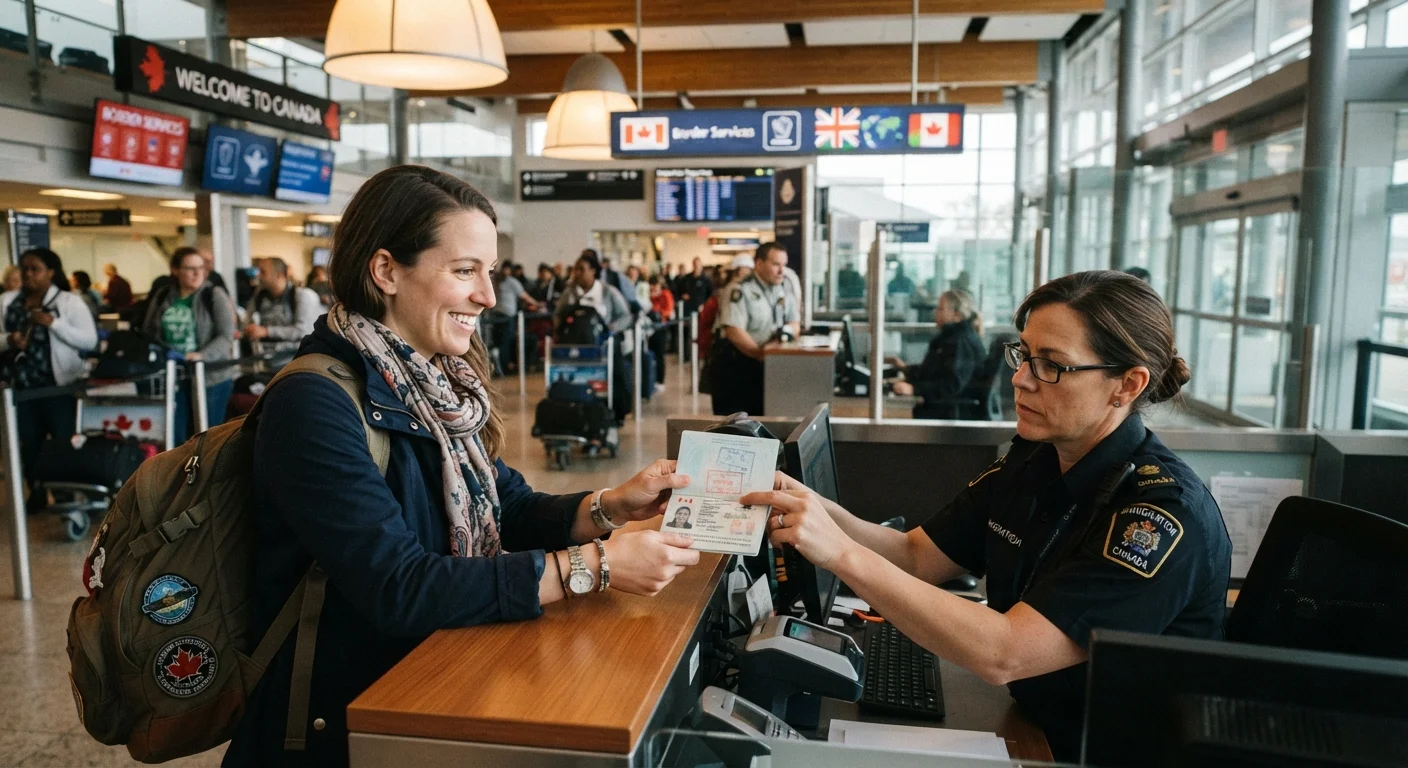
A VOA is a temporary entry permit issued at the point of entry — typically an airport immigration desk — rather than through a consulate weeks before your trip. You fill out an arrival card, hand over your passport and fee, and receive a stamp or adhesive label authorizing your stay. The process usually takes minutes when lines are short, though at busy international hubs it can take considerably longer.
What VOA is not is equally important. It is not visa-free travel, where eligible passport holders simply walk through with no permit at all. And it is not an eVisa, which also skips the embassy queue but requires online application and approval before you fly. These three systems are increasingly used interchangeably in casual conversation — which causes real confusion at immigration counters.
eVisa vs. Visa-on-Arrival: A Quick Distinction
An eVisa requires you to apply online, upload documents, and receive electronic approval before you travel — sometimes days or weeks in advance. A VOA requires no advance application but is obtained at the border on arrival. Both are distinct from visa-free access. If a country's website says 'eVisa required,' arriving expecting VOA can result in denied boarding.
Who Qualifies — and Why Eligibility Isn't Universal
Visa-on-arrival eligibility is determined by the destination country and varies based on the passport you carry, not where you currently live. A US passport holder and a dual citizen carrying a different country's passport will face entirely different rules at the same immigration desk.
Countries negotiate VOA access bilaterally, often based on diplomatic relationships, tourism priorities, and reciprocity agreements. That's why one passport might grant VOA access to dozens of countries while another opens only a handful. Passport index rankings — compiled by organizations that track visa-free and VOA access — reflect these geopolitical realities.
It's also worth knowing that VOA policies shift. Countries periodically update eligibility lists, fee structures, or permitted stay lengths. Some destinations, including several in Southeast Asia, have moved eligible nationalities from VOA to mandatory eVisa systems to streamline their immigration data collection. For a comprehensive look at what to verify before any international trip, see our pre-trip research checklist.
What to Prepare Before You Land
Even though VOA skips the embassy appointment, it is not a paperwork-free experience. Most countries issuing VOAs have a defined list of documents travelers must present at the immigration counter.
- Passport validity: Most destinations require at least six months of validity beyond your intended stay. A passport expiring in three months may be denied outright.
- Arrival and immigration forms: Often distributed on the plane or available in the arrivals hall. Complete them before reaching the counter.
- Onward or return ticket: Proof that you plan to leave within the permitted period is commonly required.
- Accommodation proof: A hotel booking confirmation or an address where you'll be staying.
- Fee payment: VOA fees must often be paid in cash in a specific currency — USD is widely accepted at many VOA counters, but this is never guaranteed. Confirm in advance.
- Proof of sufficient funds: Some countries ask for evidence you can support yourself financially during your stay.
Organizing these documents before your flight lands makes the arrival process dramatically smoother. Pair this preparation with solid money management — our guide to currency exchange and spending abroad covers how to handle fees and cash access overseas.
Carry Small Bills for VOA Fees
Many VOA counters accept US dollars in cash but may not provide change for large bills. Carrying small denominations — such as $20s — ensures you can pay the exact or near-exact fee without hassle. Confirm the accepted currency and approximate fee for your specific destination well before you fly.
Staying Informed: Where Policies Change Fast
VOA rules are among the most frequently updated policies in international travel. A country experiencing political shifts, public health considerations, or a change in diplomatic relations with another nation may alter its VOA program with little advance notice. Travelers who researched entry requirements months ago and assumed the information remained current have been caught off-guard at check-in.
The most reliable sources for current VOA information include the destination country's official immigration or foreign affairs website, your own government's travel advisory portal (such as travel.state.gov for US citizens), and the airline you're flying — since airlines can be held responsible for transporting inadmissible passengers and often maintain up-to-date entry requirement databases.
For a thorough breakdown of all pre-departure checks — not just visas — the international travel research checklist is a helpful resource to revisit before every trip.
This article is for general informational purposes only. Entry requirements, visa policies, and travel conditions change frequently. Always verify current rules with official government sources and your destination country's immigration authority before booking or traveling.