

Travel & Adventure

Pre-Trip Research Checklist for International Travel

Share
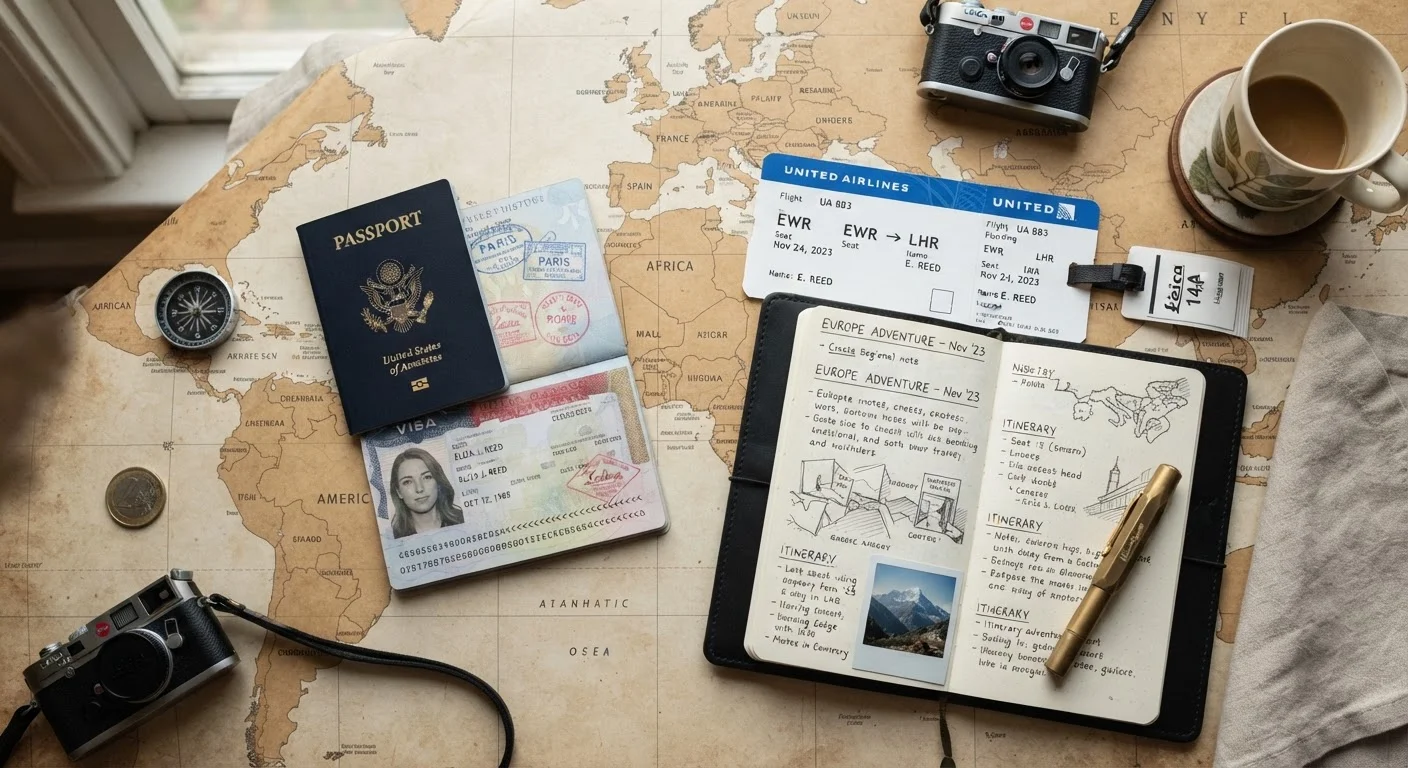
Open passport and boarding pass laid on a world map with a notebook and pen

Key Takeaways

Passport validity requirements vary by country — many demand six months beyond your travel dates.
Entry requirements, including visas and health documentation, must be verified through official government sources.
Travel advisories and local safety conditions should be checked close to your departure date.
Travel health preparation, including vaccinations, should begin weeks or months in advance.
Understanding local laws and customs helps avoid unintentional offenses or legal trouble abroad.
60–120 min

Summary

22 items · 1–2 hours spread across several weeks before departure

Why Pre-Trip Research Is Non-Negotiable

International travel is one of life's most enriching experiences — but arriving underprepared can turn an exciting adventure into a costly scramble. Entry requirements change, visa policies shift, and health advisories evolve. No amount of wanderlust compensates for showing up at the border without the right documentation.

This checklist is built for everyday adults planning their first or fifth international trip. Work through each category in the weeks and months before you depart, and you'll travel with the kind of confidence that comes from knowing you've covered the essentials. For a broader overview of booking and planning strategy, see our pre-trip research checklist for travelers.

Passport & Entry Documentation

Check your passport's expiration date and confirm it meets the destination's validity requirement — many countries require at least six months of validity beyond your travel dates. Must
Determine whether your destination requires a visa in advance and apply with enough lead time — some visa categories take weeks or months to process. Must
Verify any entry conditions such as proof of onward travel, minimum funds, or specific documentation requirements through the destination country's official immigration authority. Must
Make photocopies and digital scans of your passport, visa, and travel insurance — store copies separately from originals and share one set with a trusted contact at home. Should

Health & Vaccination Preparation

Consult a travel medicine clinic or your healthcare provider at least six to eight weeks before departure to discuss destination-specific vaccination recommendations. Must
Check whether your destination requires proof of vaccination (such as yellow fever certificates) for entry — some countries will deny boarding or entry without them. Must
Obtain sufficient prescription medication for the full trip duration, plus extra in case of delays, and carry medications in original labeled containers. Should
Research the quality and availability of medical facilities at your destination so you know in advance where to seek care if needed. Should

Travel Insurance

Secure travel insurance that includes medical coverage, emergency evacuation, and trip interruption protection before finalizing your plans. Must
Read your policy carefully to understand coverage limits, exclusions, and the claims process — particularly for pre-existing conditions and adventure activities. Must
Save your policy number and the insurer's emergency contact line in multiple accessible locations, including your phone and a printed copy. Should

Safety & Travel Advisories

Review the U.S. Department of State's travel advisories for your destination and check for any areas or activities flagged as elevated risk. Must
Enroll in the Smart Traveler Enrollment Program (STEP) so the nearest U.S. embassy can contact you in an emergency. Should
Research neighborhood-level safety in your destination city, including which areas to avoid and what common scams or safety concerns travelers report. Should
Identify the location and contact details of the nearest U.S. embassy or consulate at your destination. Should

Local Laws, Customs & Cultural Norms

Research local laws around topics that may differ from home — including photography restrictions, dress codes, alcohol regulations, and prohibited items. Must
Learn basic cultural etiquette for your destination, such as tipping customs, greeting protocols, and behavior expected at religious or heritage sites. Should
Familiarize yourself with a handful of common phrases in the local language — even minimal effort is typically appreciated and practically useful. Nice to have

Money & Connectivity

Notify your bank and credit card providers of your travel dates and destinations to prevent fraud blocks on your accounts. Must
Research your mobile carrier's international plan options, or arrange a local SIM or travel eSIM to avoid unexpected roaming charges. Should
Confirm accepted payment methods at your destination — some countries rely heavily on cash while others are largely card or contactless. Should

Tools to Support Your Research

Having the right reference points makes all the difference. The resources below are starting points — always cross-reference with official government and embassy sources, as information can change without notice.

Required

U.S. Department of State Travel Website (travel.state.gov)

Look up country-specific entry requirements, travel advisories, and passport and visa information from an official U.S. government source.

Required

CDC Travelers' Health Portal (wwwnc.cdc.gov/travel)

Find destination-specific vaccination recommendations and health notices to discuss with your healthcare provider.

Required

Smart Traveler Enrollment Program (STEP)

Register your trip with the U.S. embassy so you can receive safety alerts and be contacted in an emergency.

Required

Destination Country's Official Embassy Website

Verify visa requirements, entry conditions, and any documentation needed directly from the issuing authority.

Required

International travel insurance provider

Obtain a policy covering medical emergencies, evacuation, and trip disruption before your departure date.

Optional

Travel translation app (e.g., offline-capable dictionary app)

Support basic communication and navigation in destinations where English is not widely spoken.

If you're planning to travel solo, our solo travel planning guide goes deep on safety preparation and staying connected abroad. And if your passport is going across borders with a four-legged companion, the logistics multiply — check out our guide on travelling with a pet.

Don't Rely Solely on Third-Party Sites

Travel blogs, booking platforms, and social media are useful for inspiration but should never be your primary source for entry requirements or health advisories. Requirements change frequently and unofficial sources are often out of date. Always verify through official government websites — both your own country's and the destination country's — before you finalize any plans.

Timing Your Research Right

Not all research tasks are created equal when it comes to timing. Vaccination schedules, for example, may require a series of shots administered weeks apart — starting this process the week before departure is far too late. Visa applications for certain destinations can take months to process. Conversely, travel advisories and currency exchange rates are best reviewed in the days immediately before you fly, since they can shift quickly.

A practical approach: treat your departure date as a deadline and work backwards. Assign each checklist category a "start by" window — passports and visas at three to six months out, health prep at two to three months, and safety and local context research in the final two weeks.

For entry-specific nuances like visa-on-arrival policies, our explainer on how visa-on-arrival works is worth reading before you assume your passport buys you easy entry. Rules vary significantly by nationality and destination — verify every time.

This article provides general travel information for educational purposes only. Entry requirements, health advisories, and local laws change frequently. Always verify current requirements directly with official government sources, embassies, and your healthcare provider before traveling.

Travel & Adventure Editorial Team is the collective byline for our editorial team and contributor network. Articles published under this byline or an editorial pen name are researched, written, and reviewed according to our editorial standards for clarity, consistency, and independence before publication.

View all articles by Travel & Adventure Editorial Team →
Disclaimer: The content on this site is for informational purposes only and is not a substitute for professional advice. Always consult a qualified professional for guidance specific to your situation.