

Travel & Adventure

Before You Book: The Pre-Trip Research Checklist Every Traveler Needs

Share
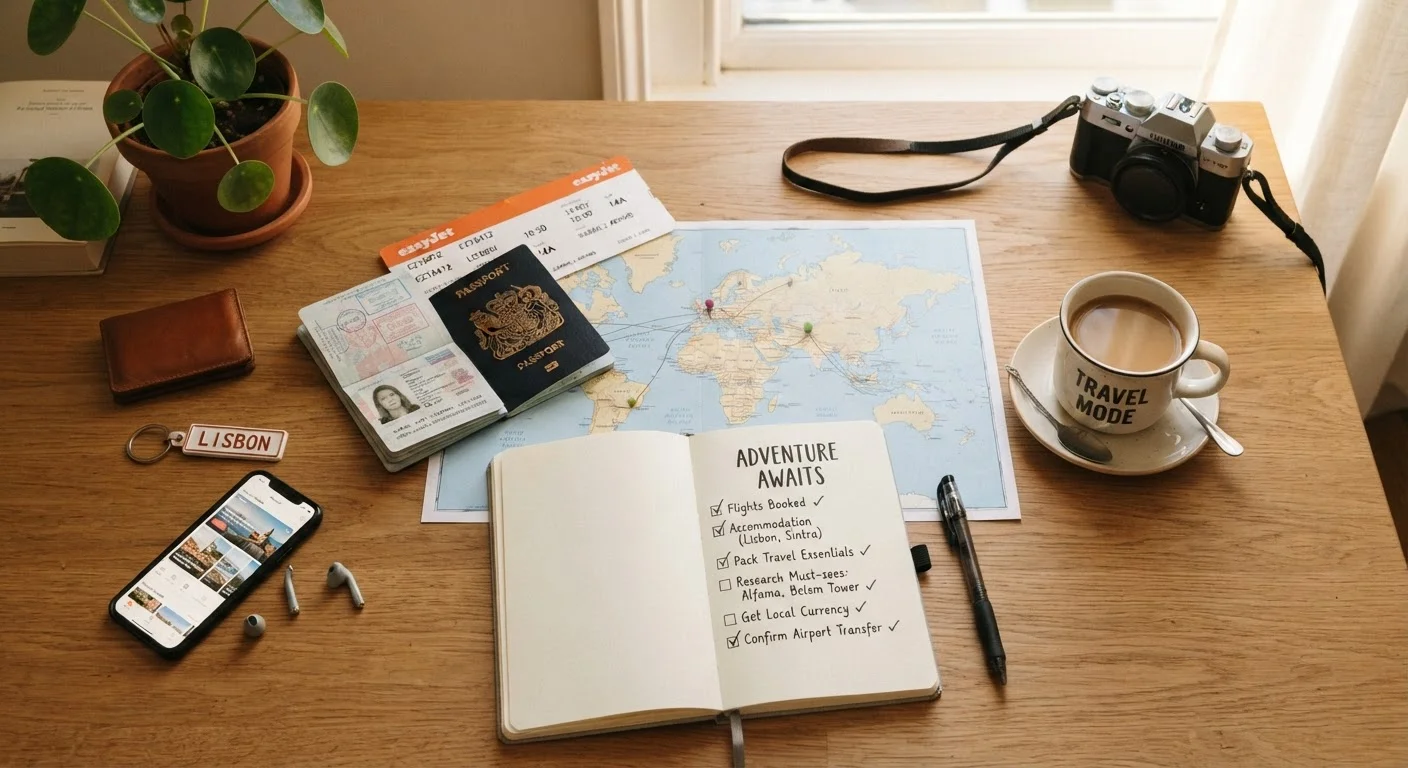
Overhead view of a travel planning desk with passport, map, checklist notebook, and boarding pass.

Key Takeaways

Checking visa and entry requirements early prevents last-minute booking disasters.
Travel insurance should be purchased soon after booking, not as an afterthought.
Government travel advisories offer the most current safety and entry information.
Vaccination requirements vary by destination and sometimes by your recent travel history.
Copies of critical documents stored digitally and physically can rescue a lost-wallet situation.
Currency, connectivity, and local customs research pays dividends the moment you land.
45–90 min

Summary

28 items · 45–90 minutes

Why Pre-Trip Research Is Non-Negotiable

The gap between a smooth adventure and a stressful scramble often comes down to one thing: preparation done weeks before departure, not hours before boarding. Entry rules shift, health requirements evolve, and safety situations change — sometimes quickly. Doing your homework isn't about eliminating spontaneity; it's about giving spontaneity a solid foundation to stand on.

This checklist is designed for international travel but many sections apply equally to domestic trips. If you're completely new to self-directed trip planning, the complete walkthrough for first-time travelers is an excellent companion resource. Work through the categories below in order — earlier steps often inform later ones.

Always Verify With Official Sources

Entry requirements, visa rules, vaccination mandates, and travel advisories can change with little notice. Never rely solely on travel blogs, booking platforms, or this checklist for current legal or health requirements. Before every trip, verify directly with your government's travel advisory service and the official embassy of your destination country. Conditions at time of travel are what matter.

What You'll Need to Work Through This Checklist

Before diving into the checklist itself, gather the resources and tools that make verification fast and reliable. Official government sources are your anchor — always prioritize them over travel blogs or forum posts for entry, health, and safety information.

Required

Government Travel Advisory Portal

Provides up-to-date entry requirements, safety advisories, and health alerts for your destination — travel.state.gov for US citizens.

Required

Destination Country Embassy Website

Official source for visa requirements, application forms, processing times, and any special entry conditions.

Required

Travel Health Clinic or Your Doctor

Provides destination-specific vaccination advice, prescriptions for preventative medications, and a review of your current health needs.

Required

Travel Insurance Policy Documents

Needed to verify coverage limits, exclusions, and the emergency assistance contact number before you depart.

Optional

Secure Cloud Storage (e.g., any encrypted cloud service)

Stores digital copies of passports, visas, insurance, and itineraries — accessible even if your bag is lost or stolen.

Optional

Offline Maps App

Lets you navigate without mobile data on arrival — particularly useful in countries where roaming is expensive or connectivity is limited.

The Full Pre-Trip Research Checklist

Work through each group systematically. Items marked must are non-negotiable steps that directly affect your ability to enter a country or stay safe. Should items are strongly recommended for a stress-free experience, and nice-to-have items add meaningful depth to your trip without being critical.

Passports & Visas

Confirm your passport is valid for at least six months beyond your return date — many countries enforce this rule strictly. Must
Research whether your destination requires a visa and, if so, whether it can be obtained on arrival, online (e-visa), or only through an embassy in advance. Must
Check if your destination has any passport-stamp restrictions that could bar entry based on previous travel (e.g., some countries restrict travelers with stamps from certain nations). Must
Apply for any required visa well ahead of your travel date, accounting for processing times that can run several weeks. Must
Make photocopies and digital scans of your passport, visa approvals, and travel itinerary. Should

Health & Vaccinations

Visit your doctor or a travel health clinic at least 4–6 weeks before departure to discuss destination-specific health risks and any required or recommended vaccines. Must
Verify whether your destination requires proof of vaccination for entry (such as yellow fever certificates for certain countries in Africa and South America). Must
Research any disease risks at your destination — such as malaria, dengue, or typhoid — and discuss preventative measures with a healthcare provider. Must
Pack an adequate supply of any prescription medications, along with a letter from your doctor describing them, especially if they are controlled substances. Should
Check whether your regular health insurance covers medical care abroad and understand the claims process. Should

Travel Insurance

Purchase travel insurance shortly after making your first booking — trip cancellation coverage typically applies from the purchase date. Must
Confirm the policy covers your planned activities, including adventure sports or remote hiking if applicable. Must
Verify the medical evacuation limit in your policy — emergency airlift costs can reach tens of thousands of dollars. Must
Save your insurer's 24-hour emergency assistance number somewhere separate from your phone in case of device loss. Should

Safety & Travel Advisories

Check your government's official travel advisory for your destination (e.g., travel.state.gov for US citizens) and note any warnings or entry conditions. Must
Register with your country's traveler registration program (such as STEP for US citizens) so your embassy can contact you in an emergency. Should
Research common scams and petty crime patterns at your destination so you can recognize and avoid them. Should
Identify the location of your country's nearest embassy or consulate at your destination. Should

Money & Connectivity

Notify your bank and credit card issuers of your travel dates and destinations to prevent cards from being blocked abroad. Must
Research whether your destination is primarily cash-based or card-friendly, and plan your currency accordingly. Should
Check international roaming options with your mobile carrier or research local SIM card availability at your destination. Should
Download offline maps for your destination in case you have no data access on arrival. Nice to have

Local Laws & Customs

Research local laws that differ significantly from home — including rules around dress, photography, alcohol, medications, and drone use. Must
Learn a handful of basic phrases in the local language, including greetings and how to ask for help. Nice to have
Read about local tipping customs, dining etiquette, and cultural norms to avoid unintentional offense. Nice to have

Planning a solo journey? Many of these steps carry extra weight when you're traveling alone. Our guide to solo travel planning covers safety preparation, staying connected, and budgeting independently in detail.

How to Use Your Research Once You've Done It

Completed research only protects you if it's accessible when you need it. Store copies of your passport photo page, visa approvals, travel insurance policy, and emergency contacts in at least two places: a secure cloud folder and a printed set kept separately from your main bag. The planning habits of stress-free travelers often come down to simple document backups and offline maps — habits that cost almost nothing to build.

For road-heavy trips across the US, don't overlook the vehicle side of preparation. Our car readiness pre-departure review walks through tyres, fluids, and documentation so your vehicle is as trip-ready as your itinerary.

Finally, understand what your travel insurance actually covers before you need it. A policy that excludes your planned activities or pre-existing conditions isn't much of a safety net. Travel insurance explained is a plain-language resource that helps you read the fine print before you're standing in a foreign emergency room.

This article provides general travel information and education only. Entry requirements, health recommendations, and safety conditions change frequently — always verify current details with your government's official travel advisory service, destination country embassy, and a qualified healthcare provider before traveling.

Travel & Adventure Editorial Team is the collective byline for our editorial team and contributor network. Articles published under this byline or an editorial pen name are researched, written, and reviewed according to our editorial standards for clarity, consistency, and independence before publication.

View all articles by Travel & Adventure Editorial Team →
Disclaimer: The content on this site is for informational purposes only and is not a substitute for professional advice. Always consult a qualified professional for guidance specific to your situation.