

Key Takeaways
Summary
22 items · 10–20 minutes
Why a Pre-Trip Walkround Matters
Most breakdowns are preventable. A structured walkround — the habit of physically checking your vehicle before a long drive — takes less time than a coffee stop and can catch issues that roadside assistance cannot easily fix at speed on an interstate. Whether you're heading out for a weekend away or a multi-state drive, the checks in this list are worth making every time.
This guide is designed for everyday US drivers with basic automotive knowledge. Where a check is better left to a qualified mechanic, we say so plainly. For broader seasonal preparation, see our seasonal car maintenance guide, and for a deeper dive into fluid checks you can do at home, see Fluid Checks Every Driver Should Know How to Do.
Don't Rely Solely on Dashboard Warning Lights
Warning lights are reactive — they typically illuminate after a problem has developed, not before. A tyre may be dangerously underinflated before a TPMS (Tyre Pressure Monitoring System) alert triggers. A physical walkround catches issues that sensors and alerts may miss, so treat the two systems as complementary rather than interchangeable.
Tools to Have on Hand
Before you begin, gather a few basic items. Most of these belong in your car year-round, not just before long trips.
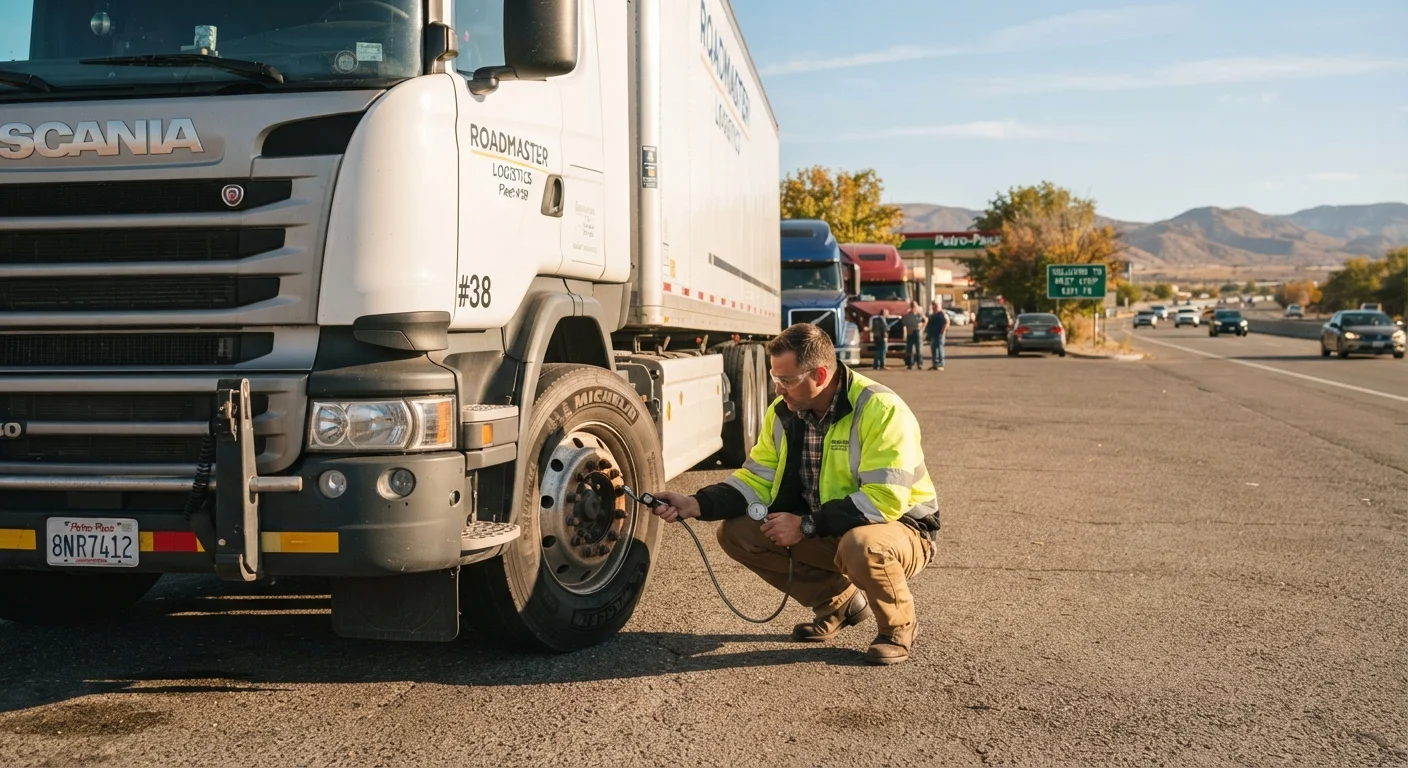
Tyre pressure gauge
Accurately measure tyre inflation against your vehicle's recommended PSI.
Tread depth gauge
Measure remaining tread depth on each tyre to confirm they meet safe minimums.
Flashlight or work light
Illuminate dark areas under the hood and underneath the vehicle during inspection.
Vehicle owner manual
Confirm correct fluid types, tyre pressure specs, and service intervals for your specific model.
Microfibre cloth and glass cleaner
Clean headlight lenses, mirrors, and the windshield to ensure maximum visibility.
Torque wrench
Properly torque lug nuts to the manufacturer's specification when reattaching a wheel.
The Pre-Trip Walkround Checklist
Work through these groups methodically, starting outside the vehicle and finishing inside. A full walkround — done without rushing — typically takes between 10 and 20 minutes.
Tyres
Lights and Visibility
Fluids Under the Hood
Under the Car and Engine Bay
Load Security and Cargo
Emergency Equipment
Low Brake Fluid Requires Professional Assessment
If your brake fluid reservoir is significantly below the minimum mark, do not simply top it up and drive. Low brake fluid can indicate worn brake pads or a leak in the braking system — both of which require inspection by a qualified mechanic before the vehicle is used for a long journey. Brakes are a safety-critical system; do not defer this check.
If you're planning to tow a trailer, note that towing fundamentally changes your braking distance and handling — review our guide to towing for the first time before departure.
Before You Pull Out of the Driveway
Once the physical walkround is complete, take two minutes inside the car. Adjust mirrors, confirm your route is loaded, check that your driver's license and insurance documentation are accessible, and ensure all passengers are buckled. If traveling with children, verify that car seats are correctly installed and fitted to the child's current weight and height — refer to the seat manufacturer's instructions or a certified Child Passenger Safety Technician if you have any doubt.
For broader trip preparation beyond the vehicle itself, the pre-trip research checklist for travelers covers logistics worth addressing before any significant journey. You can also find general trip organization advice at the Car Maintenance hub.
This article is for general informational purposes only. Always consult your vehicle's owner manual and, where noted, a qualified mechanic for tasks beyond your skill level or comfort. Vehicle regulations and inspection requirements vary by state — verify requirements in your jurisdiction before driving.