

Key Takeaways
Our Verdict
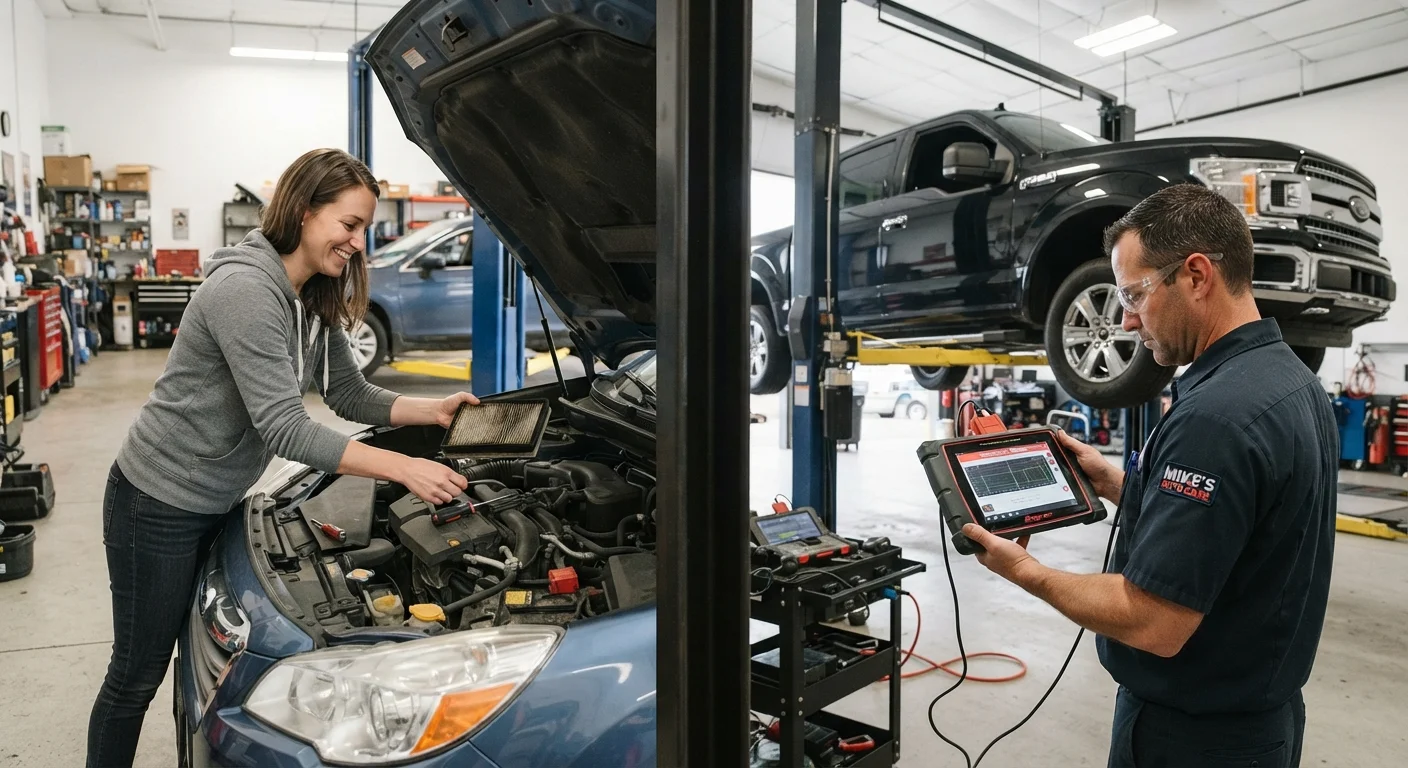
DIY maintenance is genuinely worthwhile for straightforward, low-risk tasks that require minimal tools and no specialized training. However, anything involving safety-critical systems — brakes, steering, suspension, electrical — is best left to a qualified mechanic. Striking the right balance keeps costs manageable without compromising safety.
| Best for | Recommended |
|---|---|
| Drivers comfortable with basic tools and simple upkeep tasks | DIY Maintenance |
| Safety-critical repairs and complex diagnostics | Professional Mechanic |
| First-time owners still learning their vehicle | Professional Mechanic |
| Routine checks between scheduled service visits | DIY Maintenance |
Where the Line Really Falls
The DIY vs. mechanic question isn't really about saving money — it's about matching the task to the skill set and tools available. Some maintenance items are genuinely straightforward; others carry real risks if done incorrectly. Getting this wrong can mean a failed safety system, a voided warranty, or a repair bill far larger than the original job.
If you're new to car ownership, the essential upkeep habits every new owner should know are a smart foundation before deciding what to tackle yourself. Understanding your car's basic systems makes you a better DIYer and a better-informed customer when you do visit a shop.
| Task / Category | DIY Appropriate | Professional Recommended | |
|---|---|---|---|
| Engine air filter | Yes — simple swap, no tools needed | Not necessary for routine replacement | |
| Wiper blades | Yes — no tools, quick clip-in | Not necessary | |
| Tyre pressure check | Yes — gauge and pump only | Not necessary for checks | |
| Brake pad/rotor replacement | Only with verified training and a lift | Yes — safety-critical system | |
| Check engine light diagnosis | Basic code reading only | Yes — full diagnosis required | |
| Wheel alignment | No — requires alignment machine | Yes — specialized equipment needed | |
| Transmission service | Fluid top-up may be possible; internals — no | Yes — precision tolerances involved | |
| Electrical faults | Minor fuse replacement only | Yes — complex interconnected systems |
Tasks That Are Safe to Do Yourself
A number of routine maintenance tasks require only basic tools, no specialized training, and carry minimal risk if done carefully. These include:
- Engine air filter replacement: Usually a matter of unclipping a housing, swapping the filter, and reattaching. Your owner's manual shows the exact location.
- Windshield wiper blades: Most designs click in and out without tools. Replacing them every 6–12 months keeps visibility sharp in rain.
- Cabin air filter: Often accessible behind the glove box. Affects interior air quality and HVAC airflow.
- Checking and topping fluid levels: Engine oil, coolant, washer fluid, and brake fluid reservoirs are clearly marked and easy to access — though if brake fluid is consistently low, that warrants a professional inspection.
- Tyre pressure checks and inflation: A quality gauge and an air compressor (or a gas station pump) are all you need. The correct pressure is on the door jamb sticker, not the tyre sidewall.
These tasks are well within reach for most drivers and can be part of a regular seasonal routine. See our seasonal maintenance checklist for a structured approach before each major weather shift.
Keep Your Owner's Manual Handy
Your vehicle's owner's manual is the single most reliable guide to service intervals, fluid specifications, and component locations. Before attempting any DIY task, cross-reference the manual to confirm the correct procedure and materials for your specific make and model. Many are now available as free PDF downloads from manufacturers' websites.
When You Should Bring In a Professional
Several categories of work genuinely require professional tools, diagnostic equipment, or specialized knowledge that goes well beyond a YouTube tutorial:
- Brake system work: Pad replacement may seem simple, but improper installation of callipers, rotors, or brake lines can cause brake failure. A qualified mechanic has the lift, tools, and experience to do this safely.
- Suspension and steering components: Wheel alignment, ball joint replacement, and tie rod work require alignment machines and torque specifications that aren't practical in a home garage.
- Transmission service: Whether automatic or manual, internal transmission work involves precision tolerances and specialized fluid requirements best handled by a trained technician.
- Check engine light diagnosis: A code reader gives you a trouble code — not a repair plan. Misinterpreting a code can lead to replacing parts that aren't actually faulty. A mechanic with a professional scan tool can properly diagnose the root cause.
- Electrical system faults: Modern vehicles have complex, interconnected electronics. Wiring mistakes can affect multiple systems simultaneously.
Putting off these repairs is rarely a neutral choice. As our piece on why minor issues tend to escalate into major costs explains, small problems left unaddressed often become expensive ones.
Don't Let Cost Concerns Delay Safety Repairs
It can be tempting to delay a professional repair to save money in the short term. However, safety-critical systems — particularly brakes and steering — should never be deferred based on cost alone. A failed component while driving creates risks not just for you, but for other road users. If cost is a concern, ask your mechanic about phased repair options or get a second opinion on the estimate.
Making the Decision: A Practical Framework
Before starting any task, run through these questions:
- Is it safety-critical? Anything affecting brakes, steering, tyres, or structural integrity belongs with a professional unless you have verified training and equipment.
- Do I have the right tools? Some jobs require torque wrenches, specialty sockets, or lifting equipment. Improvising with the wrong tools increases risk.
- Does my warranty or lease prohibit it? Some manufacturer warranties specify that certain services must be performed at certified facilities. Check your documentation first.
- Can I correctly diagnose the problem? If you're not sure what's wrong, a mechanic's diagnosis is usually more cost-effective than guessing.
For vehicles with significant mileage, it's also worth reviewing the maintenance tasks that often get overlooked on older cars — some of those items fall squarely in professional territory. Understanding the difference between synthetic and conventional motor oil is a good example of the kind of informed decision any driver can make confidently without turning a wrench.