

Key Takeaways
When Does a Pet Become a 'Senior'?
The threshold varies meaningfully by species and breed. Most veterinarians consider dogs senior around age 7, though large and giant breeds age faster and may reach senior status closer to 5 or 6. Cats are generally classified as senior at 10 to 11 years. Smaller dog breeds often remain healthier longer than their larger counterparts. Understanding where your pet sits on this spectrum is the starting point for adjusting their care—as explained in our overview of how pets age across life stages.
Biological ageing brings predictable changes: slower metabolism, reduced organ reserve, decreased immune responsiveness, and increased susceptibility to chronic disease. These aren't reasons for alarm—they're reasons to be proactive.
Shift to Twice-Yearly Veterinary Exams
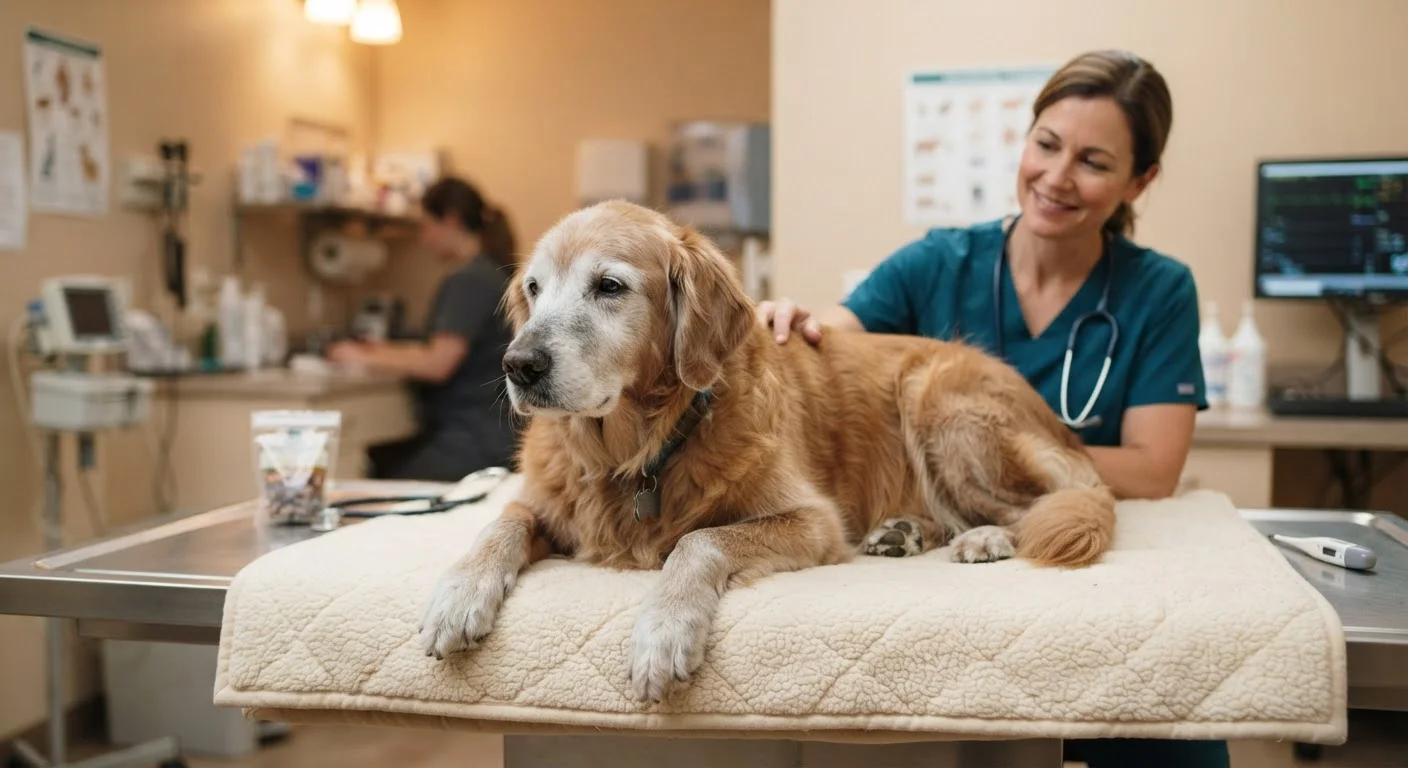
The single most impactful change for a senior pet is moving from annual to biannual wellness visits. Because pets age faster relative to humans, a year between exams can allow significant disease progression to go undetected. Conditions like chronic kidney disease, hyperthyroidism in cats, and early-stage dental disease often show no obvious outward signs until they're well advanced.
Twice-yearly exams also give your veterinarian a baseline for comparison. Subtle weight shifts, changes in muscle mass, or early joint stiffness become apparent when tracked consistently. For a broader look at what comprehensive preventive care covers, see why preventive vet care matters.
Targeted Screening: What Changes and Why
Standard wellness bloodwork—complete blood count, chemistry panel, urinalysis—takes on greater importance in senior pets. These tests can identify kidney or liver dysfunction, diabetes, anemia, and thyroid imbalances before clinical signs appear. Dogs and cats have meaningfully different screening priorities; our article on preventive care differences between dogs and cats covers those distinctions in depth.
Blood pressure measurement is another often-overlooked senior screening tool. Hypertension is common in older cats, particularly those with kidney disease or hyperthyroidism, and can cause irreversible damage to the eyes, kidneys, and brain if unmanaged. Your veterinarian can guide which specific panels and intervals are appropriate for your individual pet.
Nutrition, Mobility, and Daily Routine Adjustments
Senior pets typically need fewer calories as metabolism slows, but their protein and micronutrient requirements can actually increase to support muscle mass and organ function. Many veterinary nutritionists recommend transitioning to a senior-formulated diet in consultation with your vet rather than making the switch based solely on a package label's age guideline.
Mobility support becomes increasingly relevant. Low-impact exercise—shorter, more frequent walks for dogs; gentle interactive play for cats—maintains joint health and healthy weight without overloading aging joints. Environmental modifications such as ramps, orthopedic bedding, and elevated food bowls can meaningfully improve daily comfort. A consistent, adapted routine supports both physical and emotional stability; the principles in our guide to building a daily routine for your pet apply well into the senior years.
Pay close attention to behavioral shifts. Increased vocalization, altered sleep patterns, reduced grooming, or reluctance to climb stairs are not simply signs of old age—they can indicate pain, cognitive decline, or systemic illness. Knowing what to watch for is critical; our guide on signs your pet may be unwell can help you recognize when a symptom warrants a vet call.
This article provides general educational information about senior pet care and is not a substitute for professional veterinary advice. Always consult a licensed veterinarian regarding your individual pet's health needs.