

Key Takeaways
What Preventive Vet Care Actually Covers
Preventive veterinary care encompasses far more than vaccines. It is an ongoing, proactive approach to maintaining your pet's health across every life stage — from puppy or kitten hood through senior years. At its core, preventive care includes wellness exams, vaccinations, parasite screening and control, dental assessments, nutritional counselling, and baseline diagnostic testing.
The goal is not simply to respond to illness but to establish a detailed picture of what is normal for your individual animal. That baseline makes it much easier to detect subtle deviations early — deviations that, left unaddressed, can develop into serious or expensive conditions. Visit the Pet Health & Wellness hub for broader guidance on keeping your pet thriving at every age.
The Case for Annual (and Semi-Annual) Wellness Exams
Because pets age significantly faster than humans — a seven-year-old dog is roughly equivalent in biological age to a middle-aged adult — annual exams are considered a minimum standard of care by most veterinary organisations. For senior pets (generally dogs over seven and cats over ten), twice-yearly exams are typically recommended.
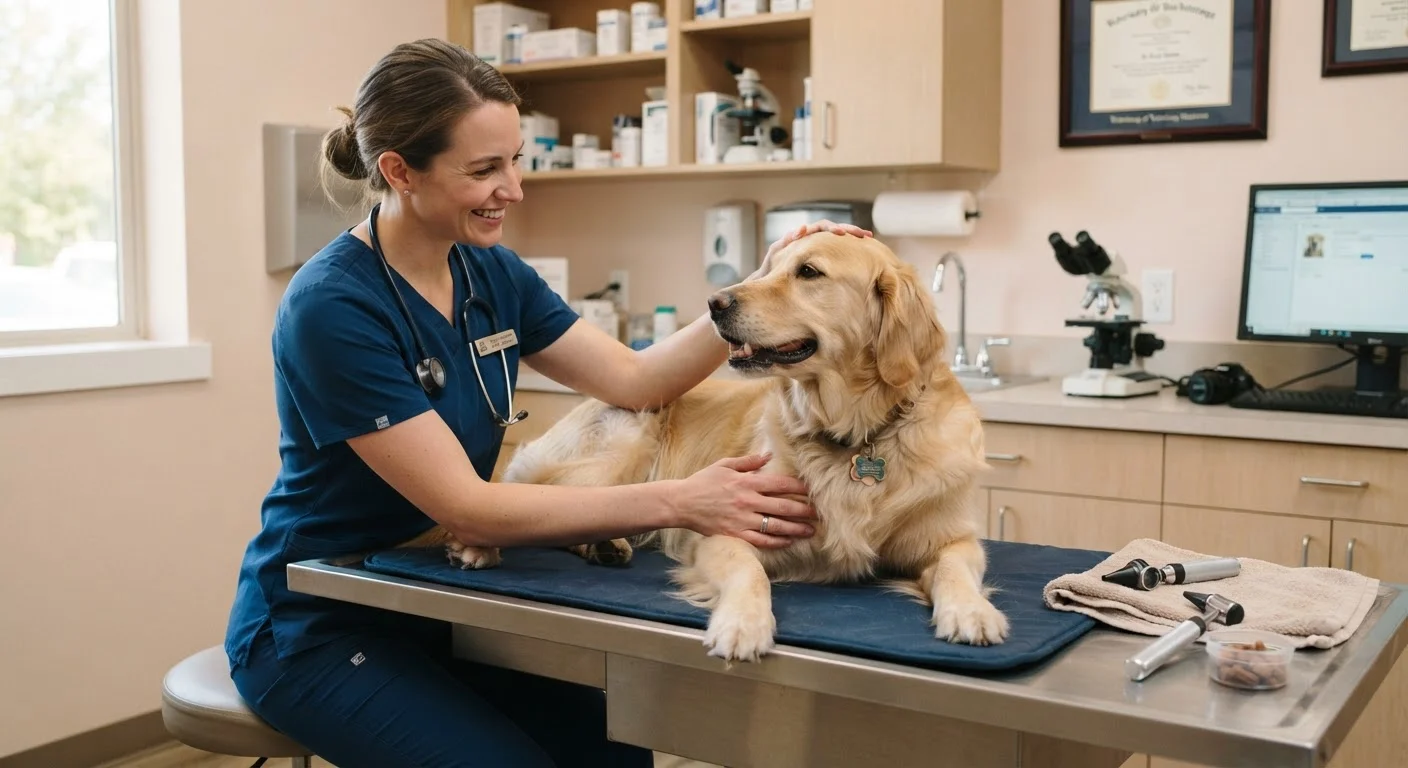
During a wellness exam, your veterinarian will assess body weight and condition score, listen to heart and lung sounds, palpate lymph nodes and the abdomen, examine eyes, ears, and teeth, and evaluate skin and coat condition. Many of the conditions most commonly found during these checks — early heart murmurs, kidney changes, lumps, or weight shifts — produce no noticeable symptoms at home until they are well advanced.
70–80%
Pets with periodontal disease by age three
According to the American Veterinary Dental College, the majority of dogs and cats show signs of dental disease by their third year of life.
All 50 states
U.S. states with documented heartworm cases
The American Heartworm Society reports heartworm disease has been diagnosed in pets across every U.S. state, underscoring the need for year-round prevention.
2x per year
Recommended exam frequency for senior pets
Most veterinary associations advise twice-yearly wellness exams for dogs over seven and cats over ten, given their accelerated rate of physiological ageing.
Consistent exams also allow your vet to track trends over time. A single weight reading tells you little; a record showing gradual weight loss over 18 months tells a very different story. Consider pairing vet visits with a pet health journal to bring detailed behavioural and appetite notes to each appointment.
Vaccines: Core vs. Non-Core and Why the Distinction Matters
Veterinary guidelines distinguish between core vaccines — recommended for all pets regardless of lifestyle — and non-core vaccines, which are advised based on individual risk factors such as geographic location, outdoor access, or contact with other animals.
For dogs, core vaccines typically include rabies, distemper, parvovirus, and adenovirus (hepatitis). For cats, core vaccines generally cover rabies, feline herpesvirus, calicivirus, and panleukopenia. Non-core options for dogs may include Bordetella (kennel cough), leptospirosis, or Lyme disease; for cats, feline leukemia virus (FeLV) is commonly recommended for cats with outdoor exposure.
When discussing vaccines with your vet, ask specifically about your pet's lifestyle risk factors — not just their age. A dog who attends dog parks or is boarded regularly has a meaningfully different non-core vaccine profile than one who rarely leaves your yard.
Non-core vaccine decisions hinge on exposure risk, which changes with lifestyle. Matching the protocol to the actual risk prevents both under- and over-vaccination.
Before any anaesthetic dental procedure, ask your vet about pre-anaesthetic bloodwork. This screening helps identify organ function issues that could affect how your pet metabolises anaesthesia, particularly in older animals.
Pre-anaesthetic screening is considered standard of care by many veterinary organisations and can meaningfully reduce procedural risk, especially in senior pets.
Vaccination schedules are not one-size-fits-all. Your veterinarian will tailor recommendations based on your pet's age, prior vaccination history, health status, and lifestyle. If your cat spends time outdoors, for example, the risk profile looks quite different — a distinction explored in depth in the article Indoor vs. Outdoor Cats: The Health Trade-offs Vets Discuss With Owners.
Parasite Control: Year-Round Vigilance Pays Off
Fleas, ticks, heartworm, and intestinal parasites represent some of the most preventable causes of pet illness in the United States. Yet many owners treat parasite prevention as a warm-weather task, stopping products in autumn and resuming in spring. Veterinary guidance consistently supports year-round prevention for most regions of the country.
Heartworm disease, transmitted by mosquitoes, is present in all 50 states. Treatment once infection is established is far more complex, expensive, and physically taxing for the pet than consistent monthly prevention. Tick-borne diseases — including Lyme disease, ehrlichiosis, and anaplasmosis — are similarly geographically widespread and can have serious long-term consequences for both pets and, in some cases, the humans who share their homes.
Intestinal parasite screening via annual fecal testing is also a routine part of preventive care, as many infections produce no visible signs. Discuss with your veterinarian which prevention protocols make sense for your pet's specific region and lifestyle.
Dental Health Is Systemic Health
Periodontal disease — the progressive infection of the gum tissue and structures supporting the teeth — affects an estimated 70 to 80 percent of dogs and cats over three years of age, according to the American Veterinary Dental College. Despite its prevalence, dental disease remains one of the most underdiagnosed conditions in companion animals.
The consequences extend beyond the mouth. Chronic oral bacteria can enter the bloodstream and have been associated with changes to the heart, kidneys, and liver. Early-stage dental disease, however, can often be managed with professional cleanings and consistent home care, including tooth brushing and veterinary-approved dental products.
Your vet will evaluate your pet's oral health at each wellness exam and recommend professional dental cleanings under anaesthesia when indicated. Anaesthesia-free dental cleanings performed outside of a veterinary setting are not a substitute and do not address disease below the gumline.
How to Get the Most Out of Every Vet Visit
Arriving at a vet appointment with notes dramatically improves the quality of the consultation. Record any changes in appetite, water intake, activity level, sleep patterns, or bathroom habits since the last visit. Note any lumps, scratching, limping, or behavioural shifts — even those that seem minor or resolved. Understanding animal behavior can help you recognise what counts as a meaningful change worth reporting.
Bring a list of all medications, supplements, and foods your pet currently receives. If you have a multi-pet household, keep records separate for each animal.
Ask your vet to walk you through findings in plain language, including what they are monitoring versus what requires action now. Preventive care is a partnership — and an informed owner is one of the most powerful tools in any animal's long-term health plan.
This article provides general educational information about pet health and is not a substitute for professional veterinary advice. Always consult a licensed veterinarian for guidance specific to your pet's health needs.