

Key Takeaways
Plant Label
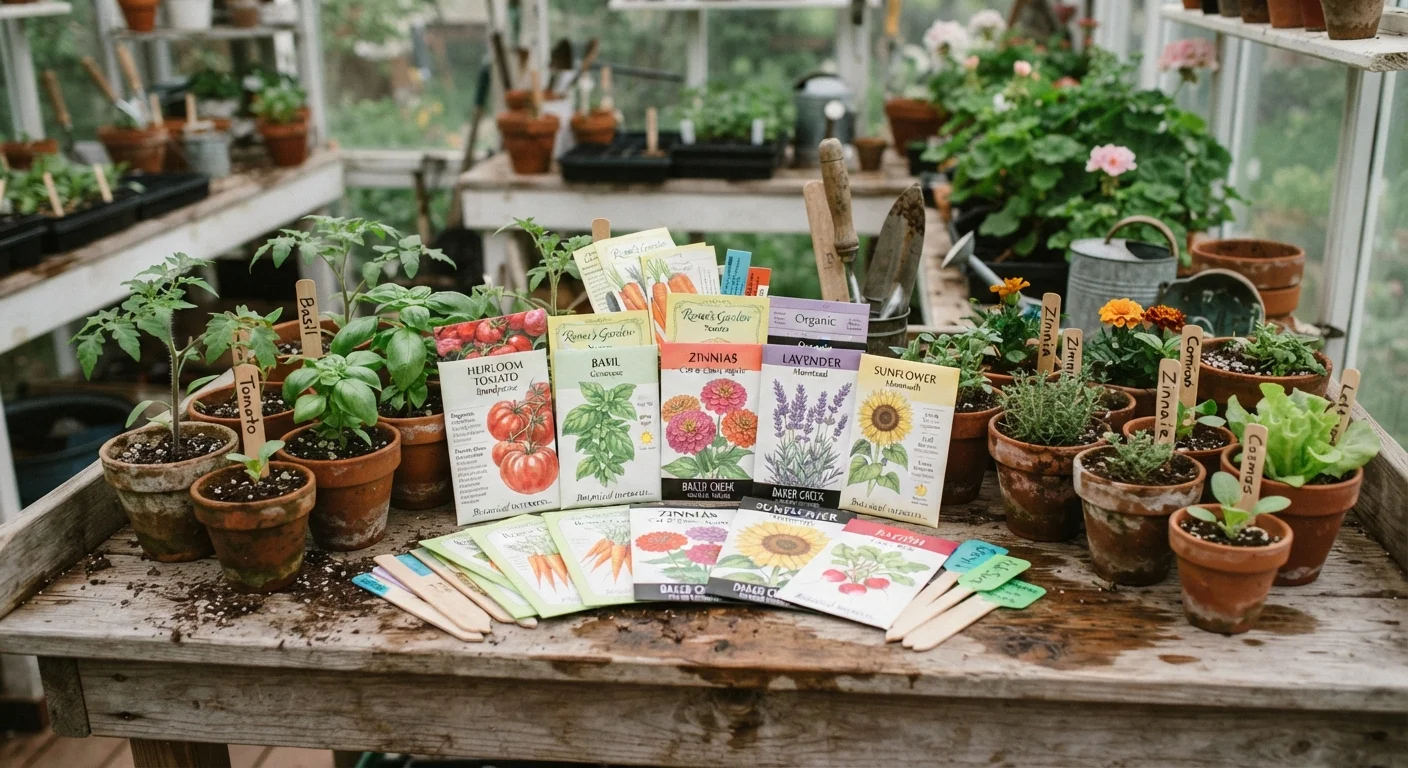
A plant label is the tag or printed insert attached to a nursery plant or included in a seed packet that communicates key growing requirements. It tells you where the plant will thrive, how big it will get, how much light and water it needs, and when to plant or harvest. Learning to read these labels accurately is one of the most practical skills a home gardener can develop.
Plant labels use standardized systems such as the USDA Plant Hardiness Zone Map, which divides North America into 13 zones based on average annual minimum winter temperatures — a critical factor for determining whether a perennial plant will survive your local winters.
Hardiness Zones: The First Number You Should Check
The USDA Plant Hardiness Zone designation is usually printed prominently on a perennial plant's tag. The system divides the continental US into zones numbered 1 through 13, based on the average annual minimum winter temperature in 10-degree Fahrenheit increments. A tag reading Zones 5–9 means the plant can withstand the coldest winters typical of Zone 5 (average minimums between -20°F and -10°F) and the milder winters of Zone 9.
Knowing your zone matters most for perennials — plants you expect to return each spring. Annuals complete their life cycle in one season regardless of zone, so their tags rarely feature a hardiness zone. To find your zone, check the USDA's official hardiness zone map online using your zip code. Once you know it, scanning tags for zone compatibility takes only a second and saves you from expensive planting mistakes.
Zone Maps Are Updated Periodically
The USDA updates its Hardiness Zone Map as climate data changes. The most recent version was released in 2023 and shifted some areas into warmer zones compared to prior editions. If you last checked your zone several years ago, it may be worth confirming your current zone on the USDA website, as some regions have shifted by half a zone or more.
Sun and Water Icons Explained
Most plant tags feature simple icons representing light and moisture needs. A filled sun icon means full sun — a minimum of six hours of direct sunlight daily. A half-filled sun denotes partial sun or partial shade, generally three to six hours. A cloud or hollow sun symbol indicates the plant prefers full shade.
Water droplets work similarly. One droplet typically signals low water needs or drought tolerance. Two or three droplets indicate moderate to high moisture requirements. These icons are not universal across all manufacturers, so always read the accompanying text when available. If you are interested in how soil chemistry intersects with moisture, our guide to soil pH and plant distress signals offers complementary detail.
Test Your Sunlight Before You Plant
Before buying plants for a specific bed, observe how many hours of direct sunlight that spot receives on a clear day in the growing season. Morning sun differs from afternoon sun — afternoon sun is more intense and drying. Matching observed light conditions to a plant's label requirements dramatically improves your success rate.
Life Cycle Terms: Annual, Perennial, and Biennial
Three terms describe how long a plant naturally lives:
- Annual: Germinates, flowers, sets seed, and dies within a single growing season. Examples include zinnias, basil, and most vegetable crops.
- Perennial: Dies back in winter (in cold climates) but returns from its root system each spring for many years. Examples include black-eyed Susans, hostas, and lavender.
- Biennial: Takes two full growing seasons to complete its cycle — typically producing only foliage in year one, then flowering and setting seed in year two before dying. Foxglove and hollyhock are common biennials.
Misidentifying a plant's life cycle can lead to disappointment. Buying a perennial expecting an instant, season-long display, or planting a biennial and wondering why it didn't flower the first year, are both avoidable with a quick label check.
Spacing, Mature Size, and Days to Maturity
Plant labels list a mature height and spread so you can plan your garden layout before plants fill in. A tag reading Height: 18–24 in. / Spread: 12 in. tells you the expected footprint of a fully grown plant. Use these numbers to calculate spacing between plants and distance from structures or other plantings.
Spacing recommendations — often expressed as a range such as plant 12–18 inches apart — exist for practical reasons. Tight spacing increases competition for nutrients and restricts airflow, raising the risk of fungal diseases. For vegetables and herbs, seed packets also include days to maturity, which helps you time successive plantings and plan harvests around your first fall frost date.
Pairing this information with a seasonal planting schedule makes garden planning significantly more manageable. Our month-by-month garden maintenance reference can help you put label data into a practical calendar framework.
13
USDA Hardiness Zones across the continental US
The USDA Plant Hardiness Zone Map, maintained by the US Department of Agriculture, divides North America into zones based on average annual minimum winter temperatures.
6+ hrs
Daily sunlight required for 'full sun' classification
This threshold is a broadly accepted horticultural standard used by nurseries and cooperative extension services across the United States.
~50%
Of new gardeners who report plant failures linked to wrong placement
According to general survey findings from cooperative extension gardening programs, incorrect sun and spacing choices are among the most frequently cited causes of plant failure by home gardeners.
Other Common Label Terms Worth Knowing
A few additional terms appear regularly on tags and seed packets:
- Native
- The plant originates from your region and generally supports local pollinators and wildlife better than introduced species.
- Deer Resistant
- The plant is less palatable to deer — not completely immune, but a useful flag in areas with heavy deer pressure.
- pH preference
- Some labels specify an ideal soil pH range (e.g., 6.0–6.8). Most vegetables prefer a slightly acidic to neutral range. Matching pH helps plants access nutrients effectively.
- Direct sow / Start indoors
- Indicates whether seeds should be planted directly in the garden bed or started under lights indoors several weeks before the last frost date.
Just as other product labels encode important details in shorthand — whether on a gadget box or a pet food bag — plant tags reward attentive readers. Understanding the language on the tag is the first step toward a thriving, well-planned garden.