

Key Takeaways
Why Pre-Trip Preparation Matters for Pet Travel
Travel is inherently disruptive for animals. Pets thrive on predictability — familiar sights, scents, sounds, and routines anchor their sense of security. A car journey or overnight stay in an unfamiliar place strips those anchors away, which is why preparation isn't optional; it's the foundation of a safe and manageable experience for both pet and owner.
Common mistakes — skipping the vet visit, buying a carrier the day before departure, or assuming a pet-friendly hotel means any pet is welcome — create avoidable stress and safety gaps. Approaching travel with the same structured thinking you'd apply to your own packing list means your pet arrives in good health, and you arrive without regret.
Before you review the steps below, gather the prerequisites listed above and check the new pet preparation checklist if your animal is relatively new to your household — some foundational items may still need to be in place.
What you will need
Tools and Equipment for Safe Pet Travel
The right equipment is a non-negotiable part of safe pet travel. Unlike human passengers, pets cannot protect themselves in a moving vehicle without appropriate containment. The tools listed below address both safety and comfort — two goals that work together rather than in opposition.
Crash-tested pet carrier or travel crate
Keeps your pet safely contained and protected in the event of sudden braking or a collision.
Vehicle harness with seatbelt attachment
An alternative to a carrier for larger dogs, securing them to the vehicle's seatbelt system.
Portable water bowl and travel water bottle
Ensures pets stay hydrated at rest stops without relying on unfamiliar water sources.
Pet first-aid kit
Provides basic care for minor injuries or reactions until veterinary care is accessible.
Familiar bedding or toy
Scent-familiar items reduce anxiety by giving pets a comforting sensory anchor in an unfamiliar environment.
Recent photo of your pet
Critical for identification and recovery efforts if your pet becomes lost during the trip.
If your trip involves significant driving time or challenging road conditions, reviewing our guide to car readiness before a long road trip alongside your pet preparations ensures both the vehicle and its passengers are ready to go.
Step-by-Step: Planning for Pet Comfort and Safety
Follow the six steps below in sequence. Each builds on the last — skipping ahead, particularly past the vet appointment or carrier acclimation phase, can undermine the entire journey.
Schedule a Pre-Travel Veterinary Appointment
Book a vet visit at least two to four weeks before departure. Your veterinarian will confirm that your pet is healthy enough for travel, verify that core vaccinations are current, and issue a Certificate of Veterinary Inspection (CVI) — commonly called a health certificate — which many accommodations, airlines, and interstate or international checkpoints require.
This appointment is also the right time to discuss motion sickness and travel anxiety. Your vet can advise on behavioral strategies or, where appropriate, discuss general pharmaceutical options. Never administer any sedative or calming product without prior veterinary guidance, as dosing errors or drug interactions can cause serious harm.
Choose and Test Appropriate Restraint Equipment
Unrestrained pets are a documented road safety hazard — they can distract drivers and become dangerous projectiles in a collision. Select a carrier or harness that matches your pet's size and temperament:
- Carriers and crates: Ideal for cats, small dogs, and anxious animals. Look for models that have undergone independent crash-testing, such as those evaluated by the Center for Pet Safety.
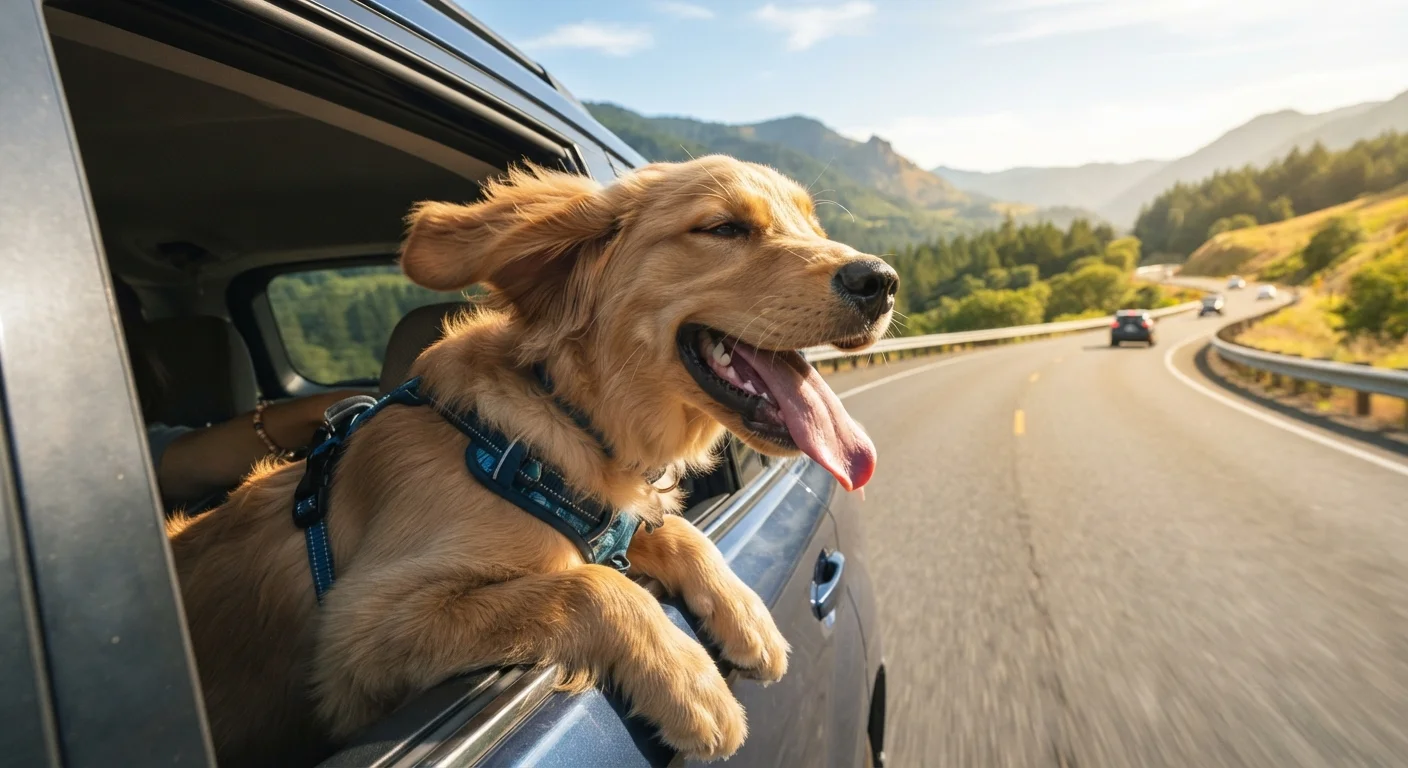
- Vehicle harnesses: Appropriate for medium to large dogs comfortable with a harness. Attach to the vehicle's seatbelt via a locking clip.
- Back-seat barriers: Useful for containing larger dogs to the rear of the vehicle but offer less impact protection than a secured harness or crate.
Once you have the equipment, introduce it at home well before the trip so it becomes a familiar object rather than a source of alarm.
Acclimate Your Pet to the Travel Environment
Gradual exposure reduces stress significantly. Begin by placing the open carrier or harness in your home with bedding or a worn item of clothing inside. Allow your pet to investigate and rest in it voluntarily before any car rides occur.
Progress to short, low-stakes drives — around the neighborhood, not to the vet — so the vehicle becomes associated with neutral or positive experiences. Pets displaying significant anxiety during practice runs may benefit from professional behavioral support. For context on recognizing stress signals early, see our pet stress checklist.
Assemble a Dedicated Pet Travel Kit
Packing purposefully for your pet prevents scrambling at stops and ensures their routine stays consistent. Your kit should include:
- Enough of your pet's regular food for the entire trip, plus a small reserve
- Sealed, portable water and a collapsible bowl
- Any prescribed medications in their original labeled containers
- Waste bags, litter (for cats), and cleanup supplies
- Copies of vaccination records and the health certificate
- A recent clear photo of your pet for identification purposes
- A basic pet first-aid kit
Maintaining familiar feeding times during travel supports your pet's daily routine and reduces behavioral disruption.
Confirm Pet Policies for Accommodations in Advance
Pet-friendly does not mean uniformly pet-welcoming. Policies vary significantly across hotels, vacation rentals, and campgrounds. Before booking, confirm:
- Weight and breed restrictions (some properties exclude certain breeds)
- Per-night pet fees or non-refundable deposits
- Rules about leaving pets unattended in rooms
- Designated outdoor relief areas and leash requirements
Booking well in advance is advisable — pet-friendly rooms are often limited in number and fill quickly, particularly in popular travel corridors. For broader trip logistics, the Travel Planning hub offers structured guidance on organizing accommodations and itineraries.
Plan Rest Stops and Monitor Your Pet During the Journey
Adult dogs generally need a rest stop every two to four hours for water, exercise, and bathroom breaks. Cats traveling in carriers are typically comfortable for longer stretches, but check on them at every stop. Keep pets leashed at all rest areas — unfamiliar environments can trigger flight responses even in otherwise calm animals.
Watch for early signs of distress throughout the journey: excessive panting, drooling, vocalizing, or attempts to escape the carrier. If your pet shows persistent signs, pull over safely and allow a calm, quiet rest before continuing. Refer to our Pet Health & Wellness hub for broader guidance on maintaining your pet's wellbeing before, during, and after travel.
Short Practice Runs Build Positive Associations
Before a long journey, take your pet on several short car rides — first just sitting in a stationary car, then brief loops around the block. Pair each session with calm praise and a small treat. This gradual desensitization helps pets associate the vehicle with positive experiences rather than anxiety-triggering events like vet visits.
Never Leave Pets Unattended in a Parked Vehicle
Even on a mild day, interior vehicle temperatures can rise to dangerous levels within minutes. Leaving a pet in a parked car — even briefly — can cause heatstroke or death. If stops are necessary, always have someone remain with the pet or use drive-through services and pet-friendly rest areas.
Managing Anxiety: What to Watch For and How to Respond
Even well-prepared pets may show signs of anxiety during travel, particularly on first or infrequent trips. The key is distinguishing mild adjustment behavior from genuine distress. Mild signs — restlessness, quiet whining, or initial reluctance to settle — often resolve within the first twenty to thirty minutes as the pet habituates to the vehicle's motion and sounds.
Persistent or escalating signs are a different matter. Excessive drooling, vomiting, prolonged vocalization, or self-injury attempts require an immediate, calm response: stop the vehicle, check on the pet quietly without reinforcing the behavior with excessive reassurance, offer water, and allow rest. If a pet shows severe anxiety on every journey despite gradual acclimation, consult your veterinarian — anxiety management strategies exist that go beyond behavioral approaches alone.
Pets with a history of separation distress may find vehicle travel particularly challenging when left briefly at stops. Our article on helping a dog feel safe when left alone offers evidence-based strategies that can complement your travel preparation work.
Interstate and International Travel Has Specific Rules
Some U.S. states and all international destinations have distinct entry requirements for animals, including specific health certificates, rabies titer tests, or mandatory quarantine periods. Always verify current requirements with the destination's official agriculture or customs authority well in advance of travel — rules can change and non-compliance may result in denial of entry or quarantine of your pet.
This article provides general educational information for pet owners and is not a substitute for professional veterinary advice. Always consult a licensed veterinarian regarding your individual pet's health, medications, or travel suitability.