

Key Takeaways
Chronic Stress
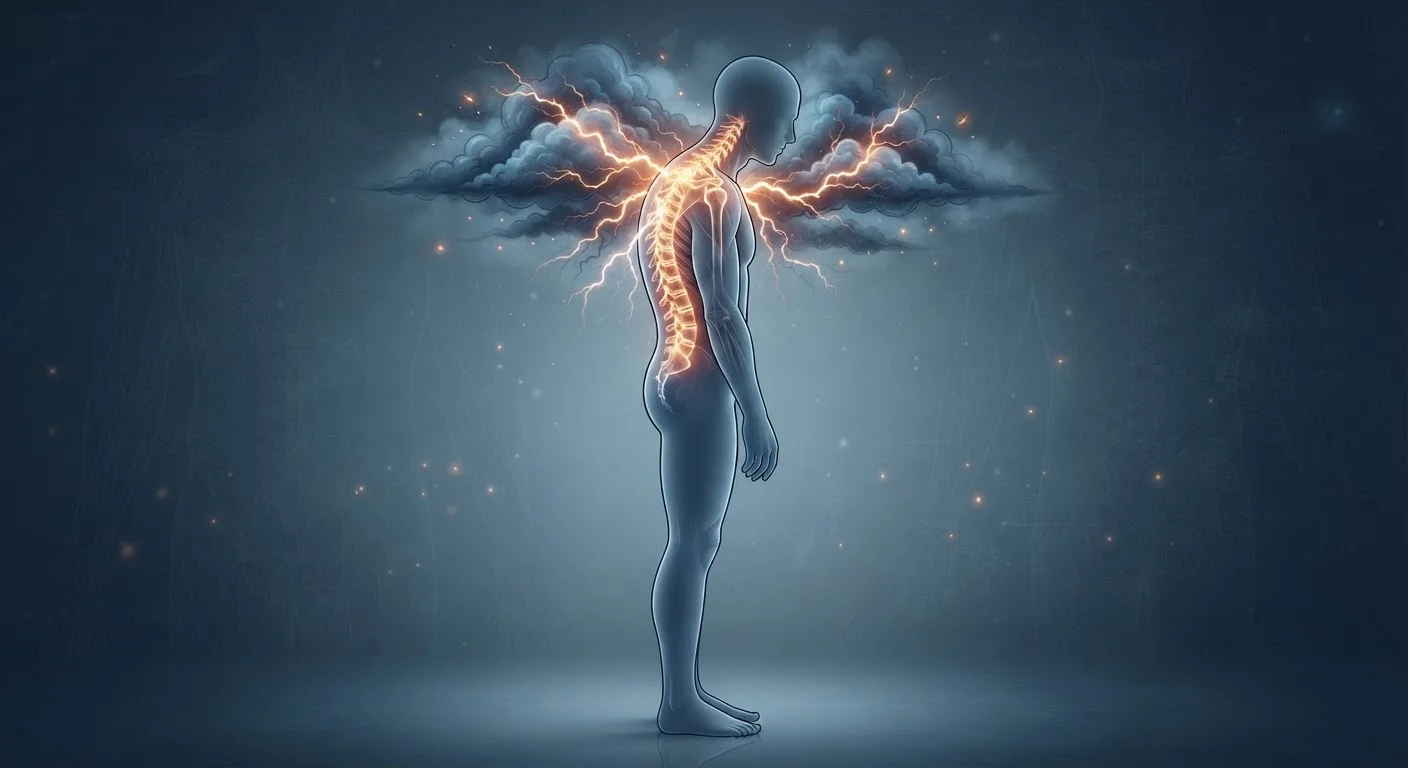
Chronic stress is a state of prolonged physiological and psychological tension that occurs when the body's stress response stays activated over weeks, months, or years. Unlike short-term stress — which is a normal and even helpful reaction — chronic stress keeps the body in a constant state of alertness that wears down organs, hormones, and immune function over time. It is one of the most common contributors to a wide range of preventable health conditions in adults.
Physiologically, chronic stress maintains elevated cortisol and catecholamine levels, which can suppress immune activity, promote systemic inflammation, and dysregulate the hypothalamic-pituitary-adrenal (HPA) axis.
The Biology Behind the Burden
When the brain perceives a threat — real or imagined — it triggers the release of stress hormones like cortisol and adrenaline. Heart rate climbs. Blood vessels constrict. Digestion slows. This is the fight-or-flight response, and in short bursts it serves a protective purpose.
The problem arises when this response never fully switches off. Modern stressors — financial pressure, relationship strain, work demands, health anxiety — rarely resolve in minutes the way a physical threat would. The nervous system remains on alert, and the body pays the price.
To understand the full picture of how stress accumulates, this deeper look at the stress response covers the physiological mechanisms in more detail. What matters here is the downstream effect: when the stress response stays elevated, it begins to damage the very systems it was designed to protect.
Acute Stress vs. Chronic Stress: A Key Distinction
Not all stress is harmful. Acute stress — the kind tied to a specific, temporary challenge — can sharpen focus and improve performance. It resolves when the situation passes, allowing the body to return to baseline. Chronic stress, by contrast, has no clear endpoint. It is the persistence, not the intensity, of the stress response that causes the most lasting physiological damage.
What Chronic Stress Does to Key Body Systems
Cardiovascular system: Sustained high cortisol contributes to elevated blood pressure and increased inflammation in arterial walls — both recognized risk factors for heart disease. The American Heart Association acknowledges stress as a factor that can indirectly harm heart health through behaviors like poor sleep and overeating, as well as through direct physiological effects.
Immune system: Cortisol suppresses immune activity when it remains chronically elevated, leaving the body less capable of fighting off infection and slower to heal. People under persistent stress often report getting sick more frequently and recovering more slowly.
Digestive system: The gut and brain communicate directly via the vagus nerve. Chronic stress disrupts this communication, contributing to symptoms like bloating, cramping, changes in bowel habits, and worsening of conditions such as irritable bowel syndrome.
Sleep architecture: Cortisol naturally peaks in the morning and falls at night. Chronic stress distorts this rhythm, making it harder to fall asleep, stay asleep, and reach the deep restorative stages the body needs for repair. Poor sleep, in turn, amplifies stress sensitivity — a compounding cycle.
77%
Adults reporting physical symptoms of stress
According to the American Psychological Association's Stress in America surveys, a substantial majority of U.S. adults regularly experience physical symptoms they attribute to stress.
2–3×
Increased risk of cardiovascular events under chronic stress
Research published in cardiovascular medicine literature has found that individuals with high chronic stress levels face meaningfully elevated risk of heart attack and stroke compared with lower-stress peers.
40%
Of adults report lying awake due to stress
The American Psychological Association has consistently found that stress-related sleep disruption affects a large proportion of American adults, with stress named as a primary cause of poor sleep quality.
Stress, Behavior, and the Wider Ripple Effect
Chronic tension doesn't only work through hormones. It also shapes behavior in ways that compound physical risk. People under sustained stress are more likely to skip exercise, reach for comfort foods high in sugar and fat, increase alcohol consumption, and delay medical care.
Financial stress deserves particular mention here. The worry that accompanies money pressures is among the most persistent and pervasive stress sources for adults. Signs your financial stress may be reaching beyond your bank account explores how this specific anxiety seeps into physical health and relationships.
Nutrition patterns also shift under stress. Cortisol influences appetite regulation and can drive cravings for calorie-dense foods. Building stable eating habits — not restrictive ones — supports the body's ability to buffer stress. Nutrition habits that hold up over time offers a grounded starting point.
“The greatest weapon against stress is our ability to choose one thought over another. The body responds to how we think, how we feel, and how we act — and that response is measurable.”
— Robert Sapolsky, Neuroendocrinologist and author of 'Why Zebras Don't Get Ulcers'
Small Consistent Habits That Support Recovery
There is no single intervention that eliminates chronic stress, but a body of research points to several accessible practices that measurably support nervous system recovery over time.
- Regular movement: Moderate aerobic activity — walking, swimming, cycling — is associated with lower cortisol levels and improved mood regulation. Consistency matters more than intensity.
- Sleep prioritization: Protecting sleep duration and regularity helps restore the cortisol rhythm. Simple steps like consistent wake times and limiting screens before bed support this process.
- Breath-based practices: Slow, diaphragmatic breathing activates the parasympathetic nervous system — the body's counterbalance to fight-or-flight. Even five minutes daily has been shown to lower perceived stress in research settings.
- Social connection: Genuine social interaction buffers the stress response. Even brief, warm interactions with others can lower cortisol and blood pressure in measurable ways.
- Reducing ambient stressors where possible: Not all stressors can be eliminated, but auditing where discretionary stress comes from — news consumption, certain relationships, workload patterns — creates room for relief.
This article is for general informational purposes only and does not constitute medical advice. If you are experiencing persistent symptoms related to stress, please consult a qualified healthcare professional.