

Key Takeaways
Start here
What Is the Gut Microbiome?
Next
Signals Your Gut May Be Sending
Then
Foods That Support a Healthy Digestive Environment
Going deeper
Why Whole Foods Beat Supplements
Apply it
Small Habits, Lasting Change
What Is the Gut Microbiome?
Your digestive tract is home to an estimated 38 trillion microorganisms — bacteria, viruses, fungi, and other microbes collectively called the gut microbiome. Far from passive passengers, these organisms actively participate in digestion, vitamin synthesis, immune regulation, and even communication with the brain.
Research has established that a diverse microbiome — one containing a wide range of microbial species — is generally linked to better health outcomes compared to a less varied one. That diversity is shaped primarily by what you eat, though genetics, medications, sleep, and stress all play roles.
Gut microbiome
The vast community of microorganisms — bacteria, fungi, and more — living in your digestive tract that help regulate digestion, immunity, and other body functions.
Prebiotic
A type of dietary fiber that serves as food for beneficial gut bacteria, encouraging them to grow and thrive.
Probiotic
Live microorganisms found in fermented foods and some supplements that may contribute beneficial bacteria to the gut when consumed.
Gut-brain axis
The two-way communication network between the digestive system and the brain, which means gut health can influence mood, cognition, and stress responses — and vice versa.
Microbial diversity
The variety of different microbial species in the gut; greater diversity is generally associated with a more resilient and healthier digestive system.
For a broader look at how everyday nutrition habits connect to physical health, our physical health hub offers practical starting points across multiple topics.
Signals Your Gut May Be Sending
The digestive system communicates through symptoms that are easy to dismiss as normal inconveniences. Occasional bloating, irregular bowel movements, persistent fatigue, or frequent discomfort after eating may be worth paying closer attention to — not as a cause for alarm, but as useful feedback.
The gut-brain axis — a well-documented communication network between your digestive system and your central nervous system — means that gut disruptions can manifest as brain fog, mood shifts, or disrupted sleep, not just stomach complaints. This bidirectional relationship is an active area of research, and while much remains to be understood, the evidence that gut health influences wellbeing beyond the abdomen is growing.
Don't Ignore Persistent Digestive Symptoms
Symptoms such as rectal bleeding, significant unintentional weight loss, severe or worsening abdominal pain, or a noticeable and prolonged change in bowel habits are not typical signs of a fixable diet issue — they require prompt medical evaluation. General gut health advice is not a substitute for seeing a qualified healthcare professional when something feels genuinely wrong.
Persistent or severe symptoms should always be evaluated by a healthcare professional. General information about gut health cannot substitute for clinical assessment of individual symptoms.
Foods That Support a Healthy Digestive Environment
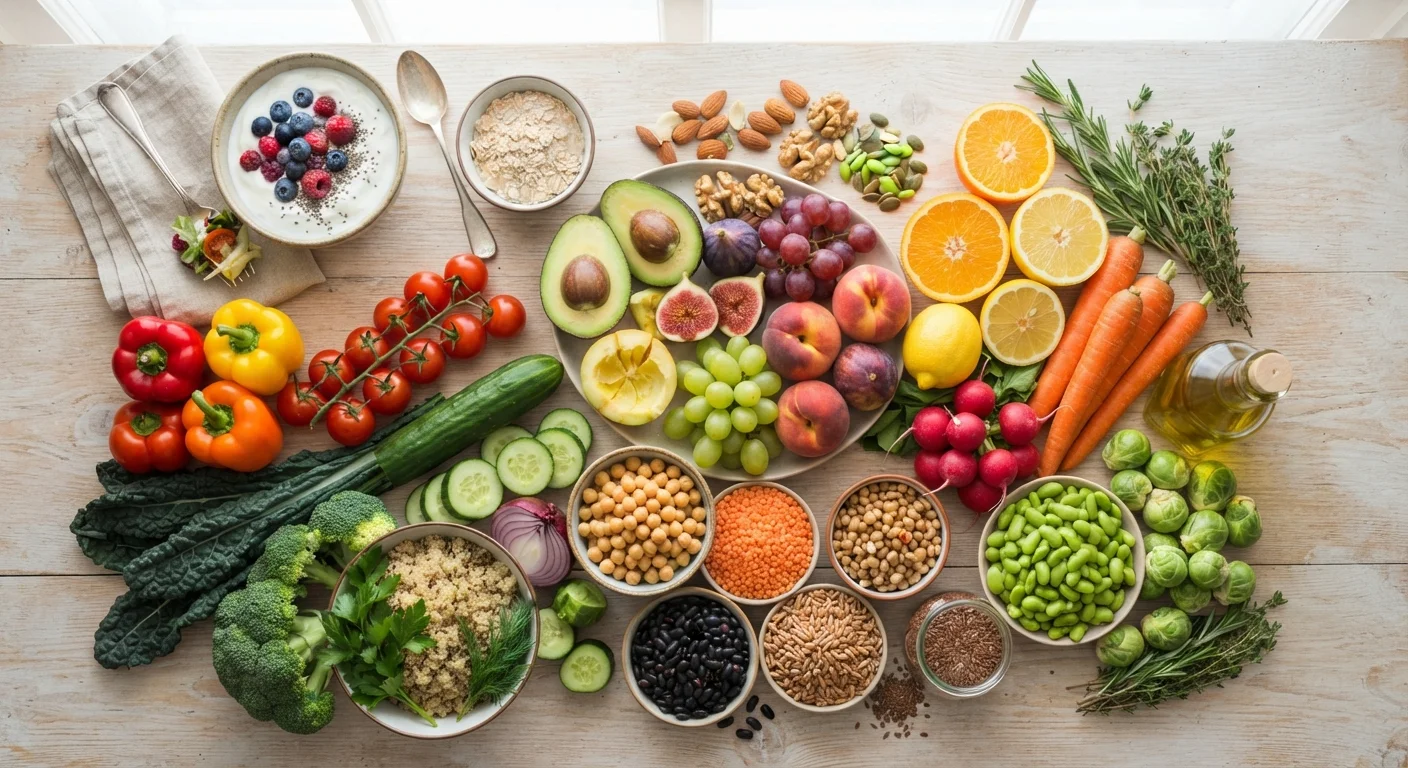
Dietary fiber is the single most evidence-backed nutrient for supporting gut microbial diversity. Fiber from plant foods acts as prebiotic fuel — feeding beneficial bacteria and encouraging them to thrive. Good sources include legumes, oats, barley, apples, bananas, onions, garlic, and a wide variety of vegetables.
Fermented foods — plain yogurt, kefir, kimchi, sauerkraut, miso, and tempeh — contain live cultures that may introduce beneficial microbes and support existing ones. A landmark study published in Cell in 2021 found that a high-fermented-food diet increased microbial diversity in healthy adults, though researchers note more work is needed to understand long-term effects.
Cultural food traditions often reflect intuitive gut-health wisdom. For perspective on what diverse dietary patterns reveal about sustainable eating, see eating patterns across cultures.
Aim for 30 Different Plant Foods a Week
Research from the American Gut Project suggests that people who regularly eat a wide variety of plant foods tend to have more diverse gut microbiomes. Counting individual plant foods — including herbs, spices, legumes, grains, nuts, fruits, and vegetables — across a week is a practical way to build variety without overthinking any single meal.
Why Whole Foods Beat Supplements
The supplement market is saturated with probiotic and prebiotic products, yet the science supporting their use for generally healthy adults is far less settled than marketing often implies. Probiotic supplements contain specific strains in specific quantities, while whole foods deliver thousands of interacting compounds — fiber types, polyphenols, and fermentation byproducts — that work synergistically in ways isolated supplements cannot replicate.
This does not mean supplements are useless. Certain probiotic strains have demonstrated benefits for specific conditions, such as antibiotic-associated diarrhea or some forms of irritable bowel syndrome. But for most people without a diagnosed condition, investing attention in dietary variety is likely to produce more durable results than reaching for a capsule. Always discuss supplements with a qualified healthcare provider before starting them.
Small Habits, Lasting Change
Improving gut health does not require overhauling your entire diet at once. Research consistently shows that gradual, sustainable changes are more effective than drastic short-term interventions. A few places to start:
- Add one more plant food per day. Aim for variety rather than volume — different plants feed different microbial species.
- Reduce ultra-processed foods gradually. These are typically low in fiber and high in additives that may negatively affect microbial balance.
- Stay consistently hydrated. Water supports the movement of fiber through the digestive tract and overall gut motility.
- Prioritize sleep and manage stress. Both influence gut function through the gut-brain axis. Even brief mindfulness practices have shown measurable effects on stress physiology — see daily mindfulness without the jargon for an accessible introduction.
Gut health is not a destination — it is an ongoing practice shaped by dozens of daily decisions. Small, consistent choices compound over time into a genuinely healthier digestive environment.
This article is for general informational and educational purposes only and is not a substitute for professional medical advice, diagnosis, or treatment. If you have concerns about your digestive health or any persistent symptoms, please consult a qualified healthcare professional.